
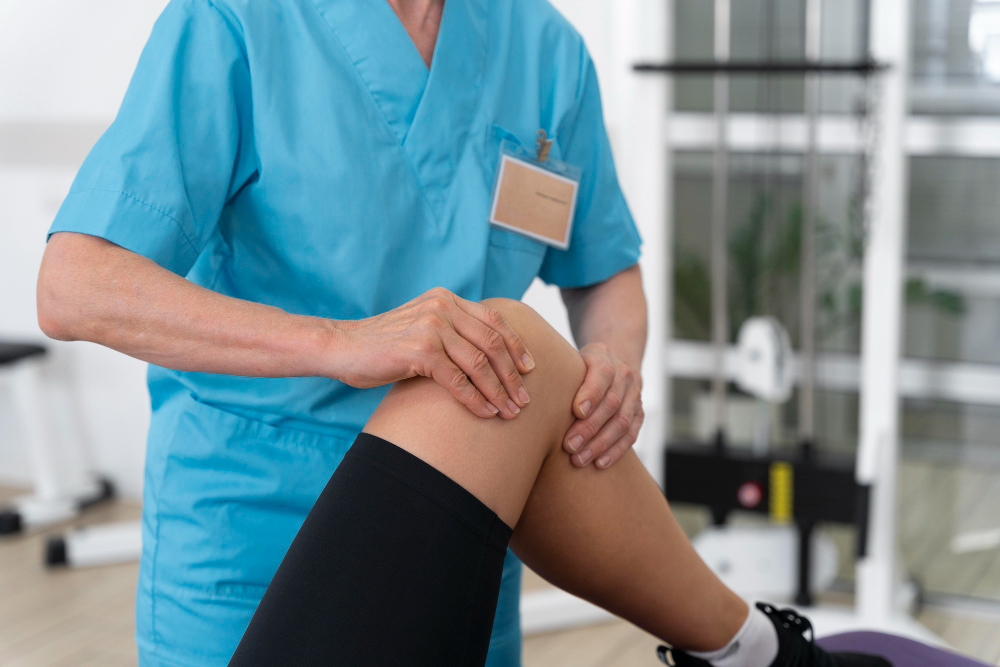
What is Total Knee Replacement (TKR)?
Total Knee Replacement (TKR) is a surgery that replaces a damaged knee joint with an artificial one. Doctors often call this knee replacement surgery. Many people choose TKR when pain and stiffness make daily life hard. The TKR procedure can help you walk, climb stairs, and move with less pain. In fact, TKR is one of the most common joint surgeries worldwide. People often ask about TKR recovery and how long it takes to heal. This blog will guide you through symptoms, diagnosis, treatment, and recovery for TKR.
Symptoms Indicating the Need for TKR
Sometimes, knee pain does not go away with rest or medicine. In these cases, TKR may be needed. Here are some signs that you might need a knee replacement:Constant knee pain, even when restingStiffness that makes it hard to bend or straighten your kneeSwelling that does not improveTrouble walking, climbing stairs, or getting up from a chairKnee pain that affects your sleepLittle or no relief from pain medicines or physical therapy
However, not everyone with knee pain needs TKR. Your doctor will help decide if surgery is right for you.
Causes Leading to TKR
Many things can damage your knee joint. Over time, this damage may lead to the need for TKR. Common causes include:Osteoarthritis: This is the most common cause. It happens when the cartilage in your knee wears away.Rheumatoid arthritis: This is a disease where the body attacks its own joints, causing pain and swelling.Injury: A bad fall or accident can damage the knee joint.Other joint diseases: Some rare conditions can also harm the knee.
As a result, the knee may become painful and stiff. When this happens, TKR may be the best option.
Diagnosis: How Doctors Decide on TKR
First, your doctor will ask about your symptoms and medical history. Next, they will check your knee for pain, swelling, and movement. Often, doctors use X-rays to see the bones and joint space. Sometimes, they may order an MRI to look at soft tissues. In addition, your doctor may try other treatments before suggesting TKR. These can include:Pain medicinesPhysical therapyWeight lossKnee injections
If these do not help, and your pain is severe, your doctor may recommend knee replacement surgery.
TKR Procedure: What to Expect
Before surgery, your doctor will explain the TKR procedure. Usually, the surgery takes about one to two hours. During TKR, the surgeon removes the damaged parts of your knee. Then, they place metal and plastic parts to form a new joint. Most people stay in the hospital for two to three days. However, some may go home the same day, depending on their health. After surgery, you will start moving your knee with help from a physical therapist.
Recovery and Rehabilitation After TKR
Recovery from TKR takes time and effort. At first, you may need a walker or crutches. Physical therapy starts soon after surgery. This helps you regain strength and movement. Most people can walk without help after six weeks. However, full recovery can take three to six months. Some people feel better even sooner. It is important to follow your doctor’s advice during TKR recovery. This will help you heal faster and avoid problems.
Tips for a Smooth Recovery
There are many ways to make your TKR recovery easier. Here are some helpful tips:Follow your physical therapy plan every dayTake pain medicines as prescribedKeep your knee clean and dry to prevent infectionUse ice packs to reduce swellingEat healthy foods to help your body healAsk for help with daily tasks if needed
Above all, stay patient and positive. Recovery takes time, but most people return to normal activities.
Prevention and Lifestyle Guidance
While not all knee problems can be prevented, you can lower your risk. Here are some steps to protect your knees:Maintain a healthy weight to reduce stress on your kneesStay active with low-impact exercises like walking or swimmingUse proper shoes that support your feetAvoid sudden twists or heavy liftingSee your doctor if you have knee pain that does not go away
With these steps, you can keep your knees healthy for longer.
In summary, Total Knee Replacement (TKR) can help many people live without knee pain. If you have questions about TKR or knee replacement surgery, consult an orthopedic specialist at Hyderabad Ortho and Spine for personalized advice. Hyderabad Ortho and Spine is dedicated to providing expert care and tailored treatment plans for your knee health.