
What Is Hip Resurfacing Surgery?
Hip resurfacing surgery is a type of hip replacement. In this procedure, doctors reshape and cap the surfaces of the hip joint bones. Unlike total hip replacement, hip resurfacing keeps more of your natural bone. The main goal is to reduce pain and improve movement. Many people choose this option for hip arthritis or joint damage. The hip resurfacing procedure is less invasive than some other surgeries. As a result, recovery may be faster for some patients. This surgery is becoming more popular for active adults. According to the CDC, hip surgeries help many people regain mobility each year.
Who Needs Hip Resurfacing?
Not everyone is a good candidate for hip resurfacing. However, it can help certain groups. Doctors may suggest hip resurfacing for:Adults under 60 with strong, healthy bonesPeople with hip pain from arthritis or injuryActive individuals who want to keep high activity levelsPatients who want to avoid a full hip replacement
On the other hand, some people should not have this surgery. For example, those with weak bones, severe bone loss, or certain health problems may not qualify. Always talk to your doctor to see if hip resurfacing is right for you.
Benefits and Risks of Hip Resurfacing
There are many benefits of hip resurfacing. For instance, it keeps more of your natural bone. This can make future surgeries easier if needed. Also, many patients enjoy a wider range of motion after surgery. Some people return to sports or active hobbies. However, every surgery has risks. Possible risks include:Infection at the surgery siteBlood clots in the legsHip dislocation or bone fractureMetal allergy or reactionNeed for another surgery later
Still, most people recover well and feel less pain. According to orthopedic journals, hip resurfacing can last many years for the right patient.
How Is Hip Resurfacing Performed?
During the hip resurfacing procedure, the surgeon makes a small cut near the hip. Next, the damaged bone and cartilage are trimmed and shaped. Then, the surgeon places a smooth metal cap over the top of the thigh bone. A matching metal cup is placed in the hip socket. This new surface allows the joint to move smoothly. The surgery usually takes a few hours. Most patients stay in the hospital for one to three days. Your doctor will explain each step before the operation.
Recovery and Aftercare Tips
Recovery after hip resurfacing surgery is important. With proper care, you can heal faster and avoid problems. Here are some tips for hip surgery recovery:Follow your doctor’s instructions closelyTake pain medicine as prescribedUse crutches or a walker as neededStart gentle exercises to regain strengthKeep the surgery area clean and dryWatch for signs of infection, like redness or swelling
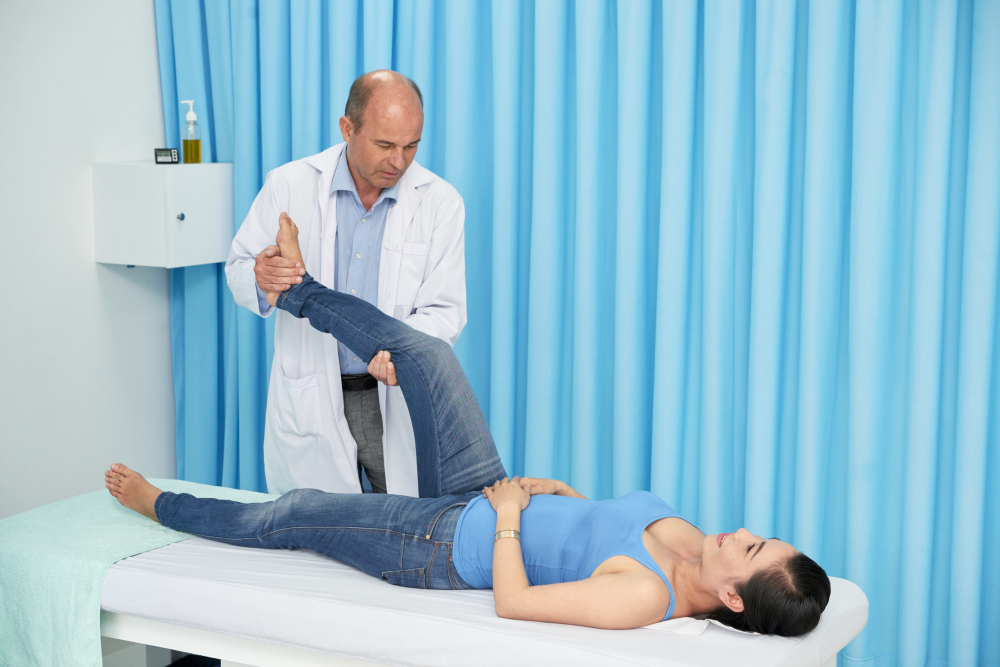
Most people can walk with help within a few days. However, full recovery may take several weeks. Physical therapy helps you get back to normal activities. Always ask your doctor before trying new exercises.
Prevention and Lifestyle Guidance
Even after surgery, healthy habits matter. For example, keeping a healthy weight reduces stress on your new hip. Regular exercise keeps your muscles strong. But avoid high-impact sports unless your doctor approves. Eat a balanced diet with enough calcium and vitamin D. This helps keep your bones healthy. If you smoke, try to quit, as smoking slows healing. Finally, see your doctor for regular check-ups. Early care can prevent future problems.
In summary, hip resurfacing surgery can help many people with hip pain. It offers a way to stay active and reduce discomfort. However, it is not right for everyone. Consult Hyderabad Ortho and Spine to learn if hip resurfacing surgery is right for you.