What is Post-Traumatic Arthritis After Fracture?
Post-traumatic arthritis after fracture is a type of joint damage that happens after a bone injury. When a bone breaks near a joint, the smooth surface of the joint can get hurt. As a result, the joint may not move as well as before. Over time, this can lead to pain and swelling. Many people notice joint pain after fracture, which may signal this condition. According to the CDC, arthritis after bone injury is a common problem, especially in adults who have had serious injuries.
Common Symptoms
Symptoms of post-traumatic arthritis after fracture can develop slowly. However, some people notice them soon after the injury. Common signs include:Pain in the affected joint, especially during movementSwelling around the jointStiffness, making it hard to move the jointFeeling of grinding or catching inside the jointWeakness or loss of function in the joint
Sometimes, these symptoms get worse with activity. But rest may help ease the pain for a short time.
Causes and Risk Factors
After a fracture, the joint surface can become uneven. This unevenness can cause extra wear and tear. Over time, the cartilage that cushions the joint may break down. As a result, bones can rub together, leading to arthritis. Several factors can increase the risk of developing post-traumatic arthritis after fracture:Severe or complex fractures near a jointPoor healing or misalignment of the boneRepeated injuries to the same jointOlder age, as healing slows downObesity, which puts extra stress on joints
Even with proper treatment, some people may still develop arthritis after bone injury.
Diagnosis Methods
Doctors use several methods to diagnose post-traumatic arthritis after fracture. First, they will ask about your symptoms and medical history. Next, they will examine the joint for swelling, tenderness, and movement. To get a clearer picture, doctors may use:X-rays: These show bone changes and joint space narrowing.MRI scans: These provide detailed images of cartilage and soft tissues.CT scans: These help see complex bone injuries.
Sometimes, doctors may order blood tests to rule out other types of arthritis. Early diagnosis can help guide the best treatment plan.
Treatment Options
Treatment for post-traumatic arthritis after fracture aims to reduce pain and improve joint function. Options include medical care, surgery, and lifestyle changes. Your doctor will suggest the best plan based on your needs.
Medical Treatments
Pain relievers like acetaminophen or non-steroidal anti-inflammatory drugs (NSAIDs)Physical therapy to strengthen muscles and improve movementJoint injections, such as corticosteroids, to reduce swelling
Surgical Treatments
Arthroscopy to clean the jointRealignment of bones (osteotomy)Joint replacement for severe cases
Lifestyle Changes
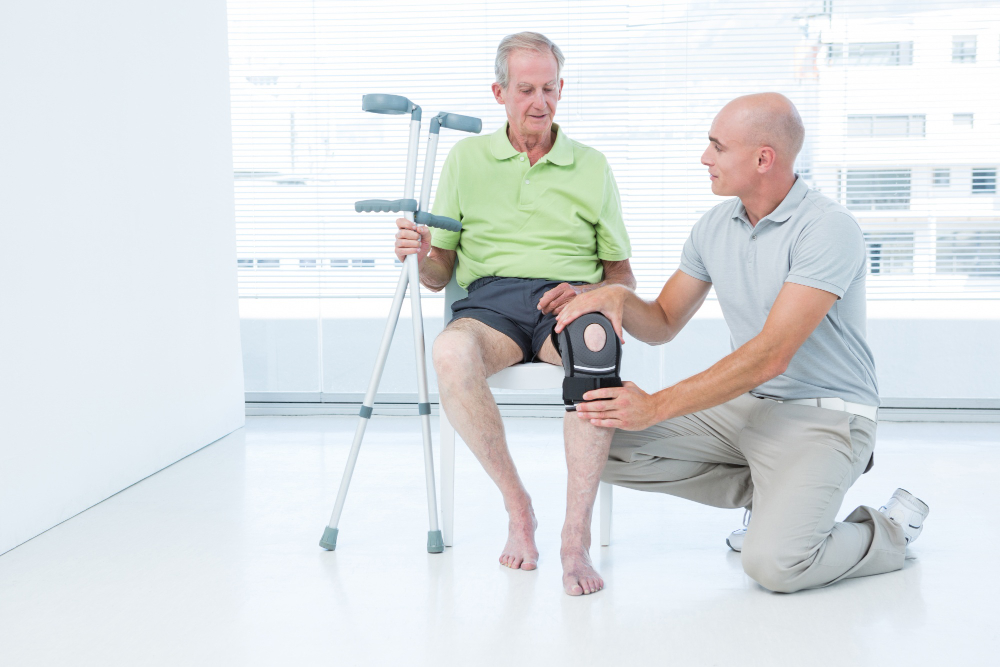
Maintaining a healthy weight to reduce joint stressUsing supportive devices like braces or canesStaying active with low-impact exercises
For many, a mix of these treatments brings the best results. Always follow your orthopedic arthritis care team’s advice.
Prevention Tips
While not all cases can be prevented, you can lower your risk of post-traumatic arthritis after fracture by:Getting prompt and proper treatment for bone injuriesFollowing your doctor’s instructions during recoveryDoing physical therapy as recommendedProtecting joints during sports or heavy workMaintaining a healthy weight
Early care and good habits can make a big difference in joint health.
Living with Post-Traumatic Arthritis: Lifestyle Guidance
Living with arthritis after bone injury can be challenging. However, many people manage their symptoms well with the right steps. Here are some helpful tips:Stay active with gentle exercises like walking or swimmingUse heat or cold packs to ease pain and swellingEat a balanced diet rich in fruits, vegetables, and lean proteinsRest the joint when needed, but avoid long periods of inactivityJoin support groups or talk to others with similar experiences
With support and care, you can enjoy a good quality of life. But always talk to your doctor before starting new activities or treatments.
Consult an orthopedic specialist at Hyderabad Ortho and Spine for personalized advice on post-traumatic arthritis after fracture.