
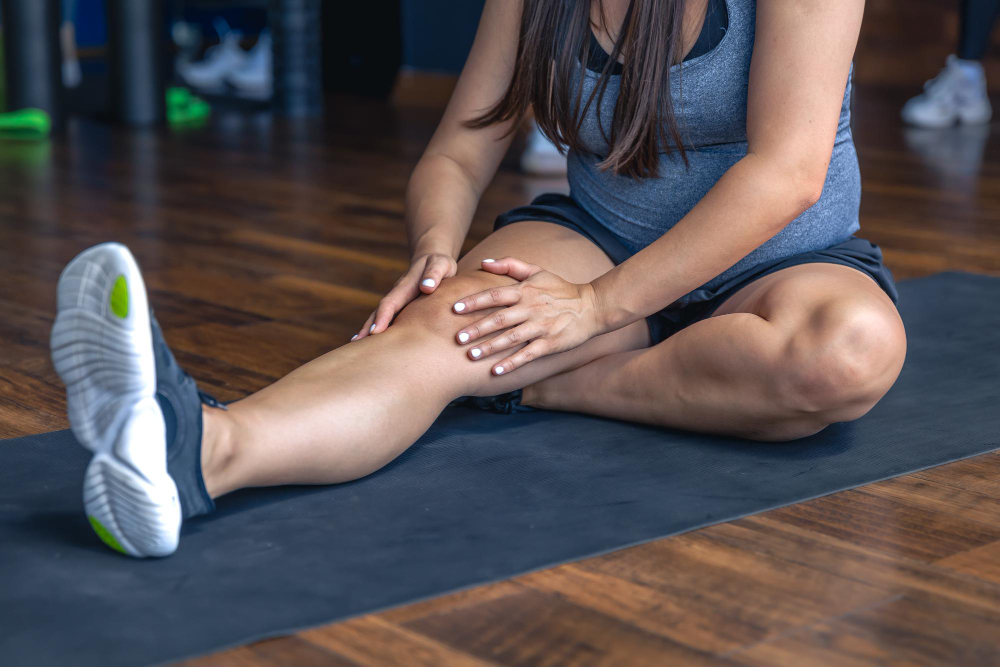
Understanding the MCL and Knee Stability
Your knee is a strong joint, but it needs support to work well. One key support is the medial collateral ligament, or MCL. The MCL is a band of tissue on the inner side of your knee. It connects your thigh bone to your shin bone. Because of this, it helps keep your knee steady and stops it from bending too far inward. When the MCL is healthy, your knee feels stable and strong. However, if the MCL gets hurt, your knee may feel weak or wobbly. This is why knee stability matters so much in daily life.
Common Causes and Risk Factors for MCL Tears
MCL tears happen when the ligament is stretched or torn. Often, this injury occurs during sports or sudden movements. For example, a direct blow to the outside of the knee can cause an MCL tear. Sometimes, twisting or bending the knee the wrong way can also lead to injury. In addition, certain factors raise your risk, such as:Playing contact sports like football or soccerSudden stops or changes in directionWeak muscles around the kneePrevious knee injuriesNot warming up before exercise
Because these risks are common, it is important to know how to protect your knees.
Symptoms and Signs of an MCL Tear
Recognizing the signs of an MCL tear can help you get help sooner. Usually, people notice pain on the inner side of the knee. In many cases, swelling appears within a few hours. You might also feel your knee giving way or feel unstable when walking. Other common symptoms include:Tenderness along the inside of the kneeBruising or stiffnessDifficulty bending or straightening the kneeA popping sound at the time of injury
If you notice these symptoms, it is wise to rest your knee and seek medical advice.
Diagnosis: How MCL Tears Are Identified
Doctors use several steps to diagnose MCL tears. First, they ask about how the injury happened. Next, they check your knee for swelling, pain, and movement. Often, doctors gently move your knee to test its strength. In some cases, they may order imaging tests, such as:X-rays: To rule out bone injuriesMRI scans: To see the ligament and check for tears
Because early diagnosis helps with recovery, do not delay seeing a doctor if you suspect a knee ligament tear.
Treatment Options for MCL Tears
Treatment for MCL tears depends on how severe the injury is. Most mild or moderate tears heal without surgery. Common non-surgical treatments include:Resting and avoiding activities that hurtApplying ice to reduce swellingWearing a knee brace for supportTaking pain relievers as advised by your doctorPhysical therapy to regain strength and movement
However, some severe tears may need surgery. Surgery is usually for cases where the ligament is badly torn or other knee ligaments are also injured. Your doctor will guide you on the best treatment for your situation.
Recovery, Rehabilitation, and Prevention Tips
Recovery from an MCL tear takes time and care. Most people heal in a few weeks to a few months, depending on the injury. During recovery, physical therapy is important. It helps you regain strength and flexibility. Your therapist will show you safe exercises. In addition, you should:Follow your doctor’s advice closelyGradually return to activitiesUse a knee brace if recommendedKeep your muscles strong with regular exercise
To prevent future MCL injuries, always warm up before sports, wear proper shoes, and avoid sudden twists or turns. Because prevention is easier than treatment, these steps can protect your knees.
Lifestyle Guidance for Knee Health
Keeping your knees healthy is important for daily life. Even simple steps can make a big difference. For example, maintain a healthy weight to reduce stress on your knees. In addition, stay active with low-impact exercises like swimming or cycling. Stretching and strengthening your leg muscles also help support your knee. If you play sports, learn the right techniques and use safety gear. Because healthy habits lower your risk of knee ligament tears, make them part of your routine.
When to See a Doctor
If you have knee pain, swelling, or trouble walking, do not ignore it. Early care can prevent more damage. Therefore, consult an orthopedic specialist at Hyderabad ortho and spine for personalized advice on MCL tears and knee stability.