What Is a PRP Injection?
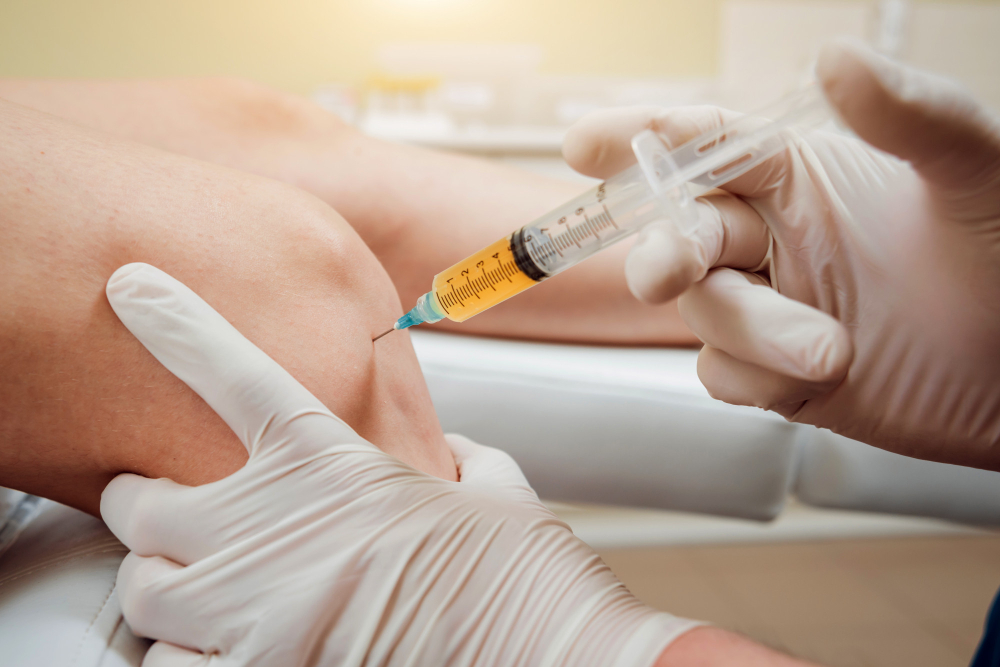
Platelet-rich plasma (PRP) injection is a treatment that uses your own blood. Doctors take a small sample, spin it in a machine, and separate the platelets. These platelets are rich in growth factors. Next, they inject the PRP into your injured shoulder or knee. Many people choose PRP because it may help the body heal faster. In fact, recovery time after PRP injection for shoulder/knee injuries is a common question for patients.
Common Shoulder and Knee Injuries Treated With PRP
Doctors often use PRP injections for different joint problems. For example, PRP can help with:Rotator cuff tears in the shoulderShoulder tendonitis or bursitisKnee osteoarthritis (joint wear and tear)Meniscus injuries in the kneePatellar tendonitis (jumper’s knee)
However, not all injuries respond the same way. Therefore, your doctor will decide if PRP is right for you.
Typical Recovery Timeline After PRP Injection
Most people want to know how long it takes to heal. While recovery time after PRP injection for shoulder/knee injuries can vary, here is a general timeline:First 1-3 days: You may feel mild pain or swelling.Week 1: Discomfort usually improves. Some people notice less pain.Weeks 2-4: Healing continues. You may start gentle movement.Weeks 4-6: Many people see better strength and less pain.After 6 weeks: Most daily activities feel easier. Full healing may take up to 3 months.
Still, each person heals at a different pace. According to studies in medical journals, some people feel better sooner, while others need more time (PubMed, 2022).
Factors Affecting Recovery Time
Several things can change how fast you recover after a PRP injection. For instance, your age and overall health matter. Also, the type and severity of your injury play a role. Other factors include:How well you follow your doctor’s adviceYour activity level before the injuryWhether you smoke or have other health issuesIf you need more than one PRP injection
Because of these factors, your recovery may be faster or slower than average.
What to Expect During Recovery
After your PRP injection, you may notice some changes. For example, mild swelling, soreness, or bruising are common. These symptoms usually last a few days. As you heal, you may reach certain milestones:Less pain with daily activitiesImproved movement in your shoulder or kneeGradual return to exercise or sports
However, you should avoid heavy lifting or intense exercise until your doctor says it is safe. If you notice severe pain, redness, or fever, contact your doctor right away.
Tips for Faster and Safer Recovery
There are steps you can take to help your body heal. For instance, you can:Rest your joint for the first few daysUse ice packs to reduce swellingFollow your doctor’s instructions about movementAttend all follow-up visitsEat a healthy diet to support healingStay hydrated
In addition, avoid smoking and limit alcohol. Both can slow down your recovery.
When to Consult Your Orthopedic Surgeon
Most people recover well after PRP injections. Yet, you should contact your orthopedic surgeon if you:Have severe or increasing painNotice redness, warmth, or swelling that gets worseDevelop a feverCannot move your shoulder or knee
Early help can prevent complications. Therefore, do not wait if you have concerns.
Conclusion
In summary, recovery time after PRP injection for shoulder/knee injuries depends on many factors. Most people start to feel better within weeks, but full healing can take a few months. For best results, follow your doctor’s advice and take care of your body. If you have questions or notice any problems, consult Hyderabad Ortho and Spine for personalized care.