Introduction
The causes of PCL injury are important to understand, especially if you are active or play sports. The posterior cruciate ligament (PCL) is a key part of your knee. When it gets injured, it can affect your movement and comfort. In this blog, we will explain what the PCL is, discuss common causes of PCL injury, and share tips to help you avoid these injuries. We will also cover risk factors and when to see a doctor. Whether you are an athlete or just want to stay healthy, this guide will help you learn more about PCL injuries.
What is the PCL?
The PCL, or posterior cruciate ligament, is one of the main ligaments in your knee. It connects the thigh bone (femur) to the shin bone (tibia). The PCL helps keep your knee stable, especially when you walk or run. Along with the ACL (anterior cruciate ligament), it controls how your knee moves. If the PCL is hurt, your knee may feel loose or weak. For most people, the PCL works quietly in the background, but it is vital for normal knee function.
Common Causes of PCL Injury
PCL injuries can happen in many ways. Often, they result from a direct blow or sudden movement. Here are some of the most common causes of PCL injury:Car accidents: When your knee hits the dashboard, the force can push the shin backward and tear the PCL.Sports injuries: Contact sports like football, soccer, or basketball can lead to PCL tears. Falling on a bent knee is a frequent reason.Falls: Landing hard on a bent knee, such as during a fall or slip, can injure the PCL.Sudden twists: Quick changes in direction or awkward landings may also cause a PCL injury.
In the US, PCL injury causes in athletes are often linked to sports and car accidents. According to orthopedic journals, car crashes are a leading reason for PCL tears in adults. For athletes, contact and non-contact injuries both play a role. Understanding how PCL injuries happen can help you avoid them.
Risk Factors for PCL Injury
Some people are more likely to have a PCL injury. Knowing the risk factors can help you stay safe. Common risk factors include:Playing contact sports, such as football or rugbyParticipating in high-speed activities like skiing or cyclingHaving weak thigh or leg musclesPrevious knee injuries or surgeriesImproper use of safety gear in vehicles or sports
Additionally, people who do not warm up before exercise may be at higher risk. If you have had a PCL injury before, you are more likely to get hurt again. For these reasons, it is important to know your risks and take steps to protect your knees.
How to Prevent PCL Injuries
While not all PCL injuries can be avoided, you can lower your risk. Here are some simple tips to help prevent PCL tears:Always wear seat belts when riding in a carUse proper gear and padding during sportsWarm up before exercise and stretch your musclesStrengthen your thigh and leg muscles with regular exercisePractice safe landing techniques when jumping or running
Moreover, learning the right way to move and stop during sports can help. Coaches and trainers can teach you safe techniques. If you feel pain or weakness in your knee, rest and seek advice before returning to activity.
When to See a Doctor
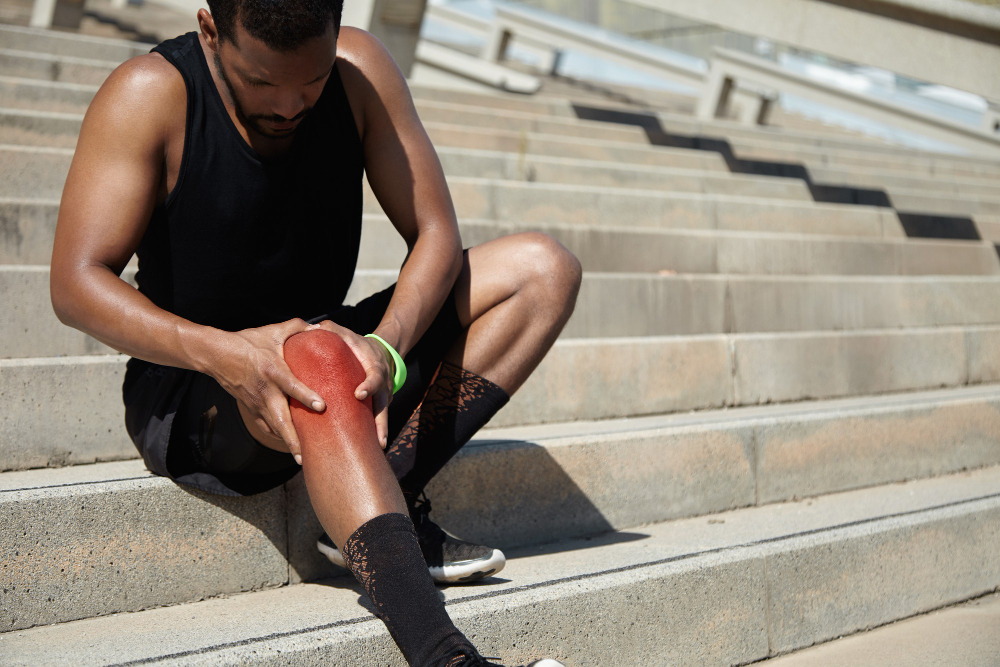
If you think you have a PCL injury, it is important to see a doctor. Watch for these signs:Pain or swelling in the knee after an injuryFeeling that your knee is unstable or gives wayDifficulty walking or putting weight on your legBruising or stiffness that does not improve
Early treatment can help prevent long-term problems. For example, untreated PCL tears can lead to arthritis or ongoing knee pain. Therefore, do not wait if you notice these symptoms. An orthopedic specialist can check your knee and suggest the best treatment.
Conclusion
PCL injuries can affect knee stability, mobility, and daily activities. Understanding the causes, symptoms, and preventive measures can help protect your knee health. At Hyderabad Ortho and Spine, our orthopedic specialists provide expert evaluation and personalized treatment plans for PCL injuries and other knee conditions. Consult our specialists for the right guidance and care for your knee health.