What Is Knee Arthroscopy?
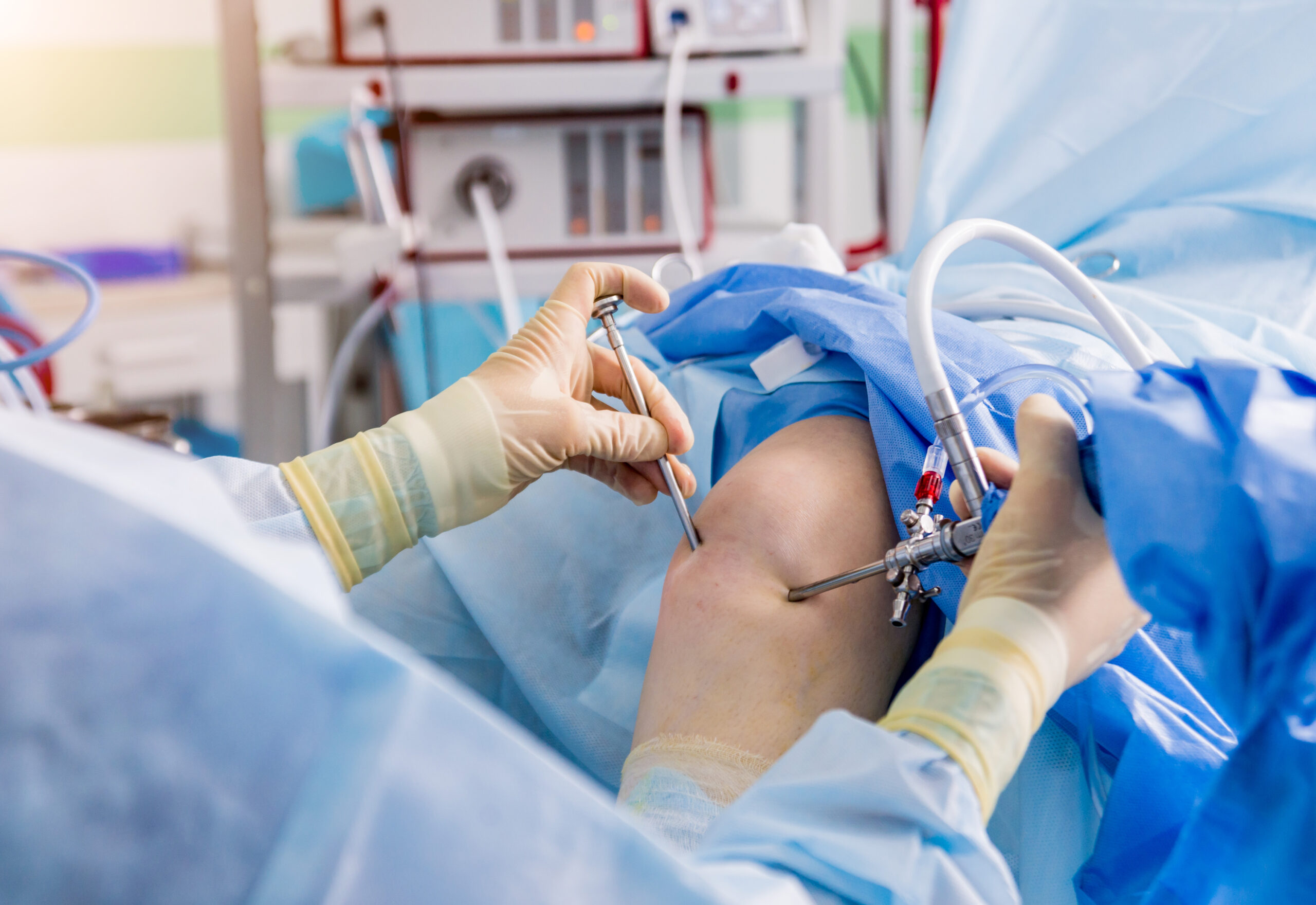
Knee arthroscopy is a minimally invasive knee surgery. Doctors use it to look inside your knee joint and treat problems. During this procedure, a small camera called an arthroscope is inserted through a tiny cut. This camera lets the surgeon see the inside of your knee on a screen. Because the cuts are small, recovery is often quicker than with open surgery. Many people choose knee arthroscopy for faster healing and less pain.
Common Reasons for Knee Arthroscopy
Doctors recommend knee arthroscopy for several knee problems. Often, this surgery helps when other treatments do not work. For example, you might need it if you have:Torn meniscus (cartilage in the knee)Damaged ligamentsLoose pieces of bone or cartilageSwollen or inflamed joint liningKnee pain that does not improve with rest or medicine
Sometimes, knee arthroscopy is also used to diagnose knee pain when the cause is unclear.
How the Procedure Is Performed
First, your doctor will give you anesthesia to keep you comfortable. Next, the surgeon makes one or two small cuts around your knee. Through these cuts, the arthroscope and special tools are inserted. The camera sends images to a screen, helping the surgeon see inside your knee. If needed, the doctor will repair or remove damaged tissue. Usually, the whole procedure takes less than an hour. Afterward, you will rest in a recovery area for a short time.
Recovery Process and Timeline
After knee arthroscopy, recovery is usually faster than with open knee surgery. However, you still need to take care of your knee. Here is what you can expect:Most people go home the same day.You may need crutches for a few days.Swelling and mild pain are common at first.Ice packs and keeping your leg raised can help reduce swelling.Physical therapy often starts within a week.Many people return to normal activities in 4–6 weeks.
Still, recovery time can vary. It depends on your health and the type of knee problem treated. Always follow your doctor’s advice for the best results.
Benefits and Risks
Knee arthroscopy offers many benefits. Yet, like any surgery, it has some risks. Here are the main points to consider:Benefits:Smaller cuts and less scarringShorter recovery timeLess pain after surgeryLower risk of infectionQuick return to daily activitiesRisks:Infection at the surgery siteBlood clotsStiffness or swelling in the kneeBleeding inside the jointRarely, nerve or blood vessel injury
Most people have a smooth recovery. Still, it is important to know the possible risks before surgery. (Source: American Academy of Orthopaedic Surgeons)
Tips for a Smooth Recovery
To help your knee heal well, follow these simple tips:Rest your knee as much as possibleUse ice packs to reduce swellingKeep your leg raised when sitting or lying downTake pain medicine as directed by your doctorAttend all physical therapy sessionsFollow your doctor’s instructions for wound careAvoid heavy lifting or sports until your doctor says it is safe
With these steps, you can support a faster and safer recovery.
Prevention and Long-Term Knee Health
Even after knee arthroscopy, you can take steps to protect your knee. For example, you can:Maintain a healthy weight to reduce stress on your kneesExercise regularly to keep your muscles strongWarm up before sports or physical activityWear proper shoes for supportAvoid sudden twists or heavy impacts
By following these tips, you can help prevent future knee problems and enjoy better joint health.
In summary, knee arthroscopy is a safe and effective way to treat many knee issues. If you have lasting knee pain, consult an orthopedic specialist at Hyderabad ortho and spine to discuss if knee arthroscopy is right for you.