What is Lumbar Canal Stenosis?
Lumbar Canal stenosis is a condition where the space inside the lower spine becomes narrow. This narrowing can put pressure on the nerves in your lower back. As a result, you may feel pain, numbness, or weakness in your legs. Many people over age 50 develop this problem. However, it can affect younger adults too. Early diagnosis helps manage symptoms and prevent further issues.
Common Symptoms
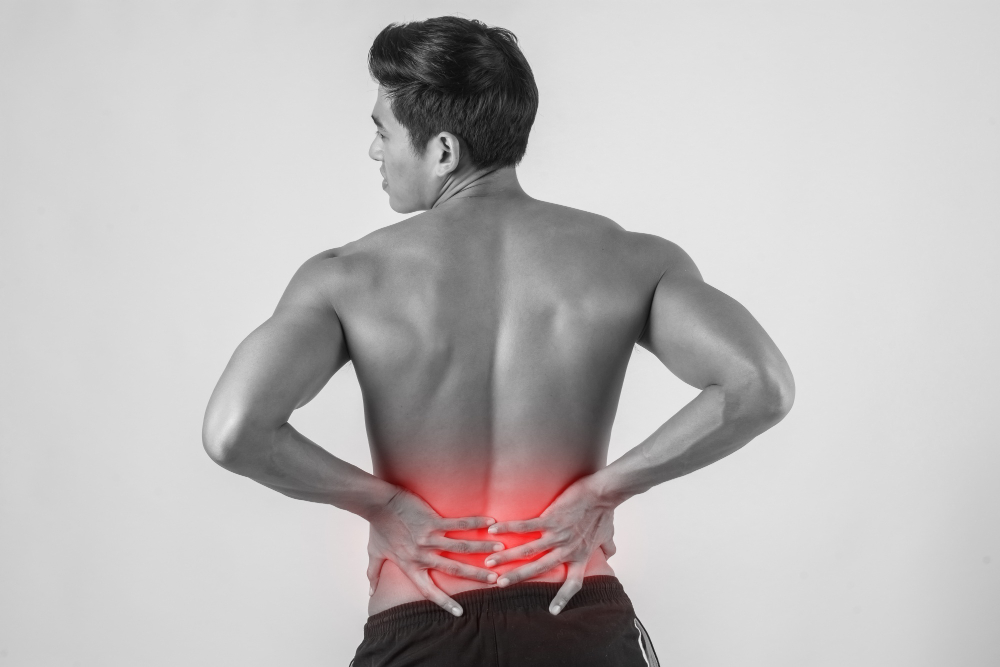
Often, symptoms of Lumbar Canal stenosis develop slowly. But, they can get worse over time. You may notice:Lower back pain that may spread to your legsNumbness or tingling in your legs or feetWeakness in your legsPain that gets worse when standing or walkingRelief when sitting or bending forwardDifficulty walking long distancesIn severe cases, trouble controlling your bladder or bowels
Because these symptoms can affect daily life, it is important to seek medical advice if you notice them.
Causes and Risk Factors
Several factors can lead to Lumbar Canal stenosis. Most often, it happens due to age-related changes in the spine. However, other causes include:Arthritis, which can thicken ligaments or cause bone spursHerniated discs that press on nervesSpinal injuries or fracturesGenetic conditions present at birth
Additionally, certain risk factors increase your chances of developing this condition:Being over 50 years oldHistory of spine injuriesFamily history of spinal problemsObesity, which adds stress to the spine
While some causes cannot be changed, healthy habits may lower your risk.
Diagnosis Methods
Doctors use several steps to diagnose Lumbar Canal stenosis. First, they ask about your symptoms and medical history. Next, they perform a physical exam to check your strength, reflexes, and feeling in your legs. Then, they may order tests such as:X-rays: Show changes in the bonesMRI scans: Give detailed images of nerves and soft tissuesCT scans: Help spot bone spurs or other changes
Because early diagnosis leads to better outcomes, see a doctor if you have ongoing back or leg pain.
Treatment Options
Treatment for Lumbar Canal stenosis depends on how severe your symptoms are. Many people improve with non-surgical care. However, surgery may be needed if symptoms are severe or do not improve.
Non-Surgical Treatments
Physical therapy to strengthen back and leg musclesPain-relief medicines, such as acetaminophen or NSAIDsHot or cold packs to ease painActivity changes to avoid movements that worsen symptomsEpidural steroid injections to reduce swelling around nerves
Most people find relief with these steps. But, if pain continues, your doctor may suggest surgery.
Surgical Treatments
Laminectomy, which removes part of the bone to make more space for nervesSpinal fusion, which joins two or more bones together for stability
Although surgery can help, it is usually only for those with severe symptoms or nerve damage.
Lifestyle and Self-Care Tips
Even with treatment, daily habits play a big role in managing Lumbar Canal stenosis. For example, you can:Stay active with gentle exercises like walking or swimmingMaintain a healthy weight to reduce pressure on your spineUse proper posture when sitting or standingTake breaks to stretch during long periods of sittingFollow your doctor’s advice about physical therapy
Because small changes add up, these tips can help you feel better each day.
Prevention Strategies
While you cannot prevent all cases of Lumbar Canal stenosis, some steps may lower your risk. Consider these strategies:Exercise regularly to keep your back strongEat a balanced diet rich in calcium and vitamin DAvoid smoking, as it can harm your spineUse safe lifting techniques to protect your backSee your doctor for regular check-ups, especially if you have back pain
Because prevention is easier than treatment, start these habits early.
Conclusion
Lumbar Canal stenosis can cause pain and limit your daily life. However, with early diagnosis and the right care, most people find relief. If you notice symptoms, do not wait. Consult an orthopedic specialist at Hyderabad Ortho and Spine for personalized advice on Lumbar Canal stenosis.