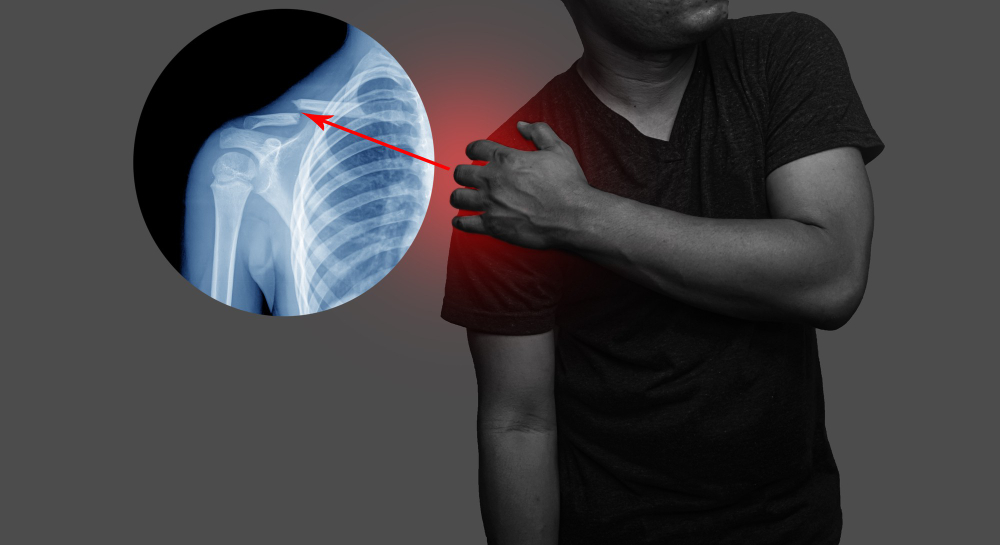
Shoulder arthroscopy is a common type of orthopedic surgery. Doctors use it to look inside and treat problems in the shoulder joint. Many people want to know about shoulder arthroscopy: risks vs benefits. Understanding both sides helps you make the best choice for your health. While this surgery can relieve pain and improve movement, it also has some risks. Let’s explore what you need to know.
What Is Shoulder Arthroscopy?
Shoulder arthroscopy is a minimally invasive surgery. In this procedure, a doctor inserts a small camera, called an arthroscope, into the shoulder. The camera sends images to a screen, so the doctor can see inside the joint. Small tools are used to fix any problems. Because the cuts are tiny, recovery is often faster than with open surgery. However, it is still a real surgery and needs careful planning.
Common Reasons for Shoulder Arthroscopy
Doctors may suggest shoulder arthroscopy for several reasons. For example, it can help when other treatments, like physical therapy or medicine, do not work. Some common reasons include:Rotator cuff tears (damage to the shoulder tendons)Shoulder impingement (pain from pinched tissues)Labral tears (damage to the cartilage in the joint)Removing loose pieces of bone or cartilageTreating shoulder stiffness or frozen shoulderRepairing ligaments after a shoulder dislocation
Often, your doctor will explain why this surgery may help your specific problem.
Benefits of Shoulder Arthroscopy
There are many benefits to this type of surgery. For many patients, these include:Smaller cuts, which means less scarringLess pain after surgery compared to open surgeryFaster recovery and return to daily activitiesLower risk of infectionBetter view of the inside of the shoulder for the surgeonAbility to treat several problems at once
Because of these benefits, shoulder arthroscopy is now a popular choice for many shoulder problems. According to the American Academy of Orthopaedic Surgeons, most patients recover well and see improved shoulder function.
Risks and Potential Complications
Even though shoulder arthroscopy is considered safe, every surgery has risks. It is important to know what could happen. Some possible risks include:Infection at the site of surgeryBleeding or blood clotsStiffness or loss of movement in the shoulderNerve or blood vessel injuryPain that does not go awayNeed for another surgery if the problem returns
However, serious complications are rare. The Centers for Disease Control and Prevention (CDC) notes that infection rates after arthroscopy are low, usually less than 1%.
How to Prepare for Shoulder Arthroscopy
Proper preparation can help lower your risk of problems. Before surgery, your doctor will give you clear instructions. For example, you may need to:Stop taking certain medicines, like blood thinnersArrange for someone to drive you homeFollow fasting instructions before anesthesiaTell your doctor about allergies or past surgeries
In addition, ask your doctor any questions you have. This helps you feel ready and calm on the day of surgery.
Recovery and Aftercare Tips
After shoulder arthroscopy, recovery is important. Most people go home the same day. However, you will need to follow some steps for the best results:Keep the shoulder clean and dryTake pain medicine as directedUse a sling if your doctor recommends itStart gentle exercises when allowedAttend all follow-up visitsWatch for signs of infection, like redness or fever
With proper care, most people return to normal activities within a few weeks. Physical therapy may help you regain strength and movement.
Weighing Risks Vs Benefits: What Should You Consider?
Deciding on shoulder arthroscopy is a personal choice. You should think about both the risks and the benefits. For example, ask yourself:Have other treatments failed to help?How much does shoulder pain affect your daily life?Are you healthy enough for surgery?Do the possible benefits outweigh the risks for you?
Because every person is different, talk openly with your orthopedic specialist. They can help you decide if this surgery is the right step for your health.
Conclusion
Shoulder arthroscopy offers many benefits, but it is important to know the risks. Always discuss your options with a trusted orthopedic specialist. They can guide you to the best choice for your needs. Consult an orthopedic specialist at Hyderabad ortho and spine to discuss if shoulder arthroscopy is right for you.