Category: Health

  • Osteoporosis & Fragility Fractures in Elderly: Causes, Symptoms, Diagnosis, and Prevention

    Osteoporosis & Fragility Fractures in Elderly: Causes, Symptoms, Diagnosis, and Prevention

    What is Osteoporosis?

    Osteoporosis is a condition where bones become weak and brittle. As a result, even a minor fall or bump can cause a bone to break. This problem is common in older adults, especially women. Because bone health in seniors is so important, understanding osteoporosis in elderly people can help prevent serious injuries.

    Understanding Fragility Fractures in the Elderly

    Fragility fractures are breaks in bones that happen from a simple fall or even mild stress. For example, a person might break a bone just by slipping on a rug. These fractures often affect the hip, spine, or wrist. Since osteoporosis weakens bones, elderly people are at higher risk for these injuries. In many cases, fragility fractures can lead to loss of independence or long hospital stays.

    Common Symptoms and Warning Signs

    Often, osteoporosis does not cause pain until a bone breaks. However, there are some warning signs to watch for. For instance, you might notice:Back pain, which could mean a fractured spineLoss of height over timeStooped or hunched postureBroken bones from minor falls or bumps

    Because these signs can be subtle, it is important to stay alert. Early detection can help prevent serious problems.

    Major Causes and Risk Factors

    Several factors can increase the risk of osteoporosis and fragility fractures in elderly people. For example, the following are common causes and risks:Age: Bone loss speeds up as people get olderGender: Women, especially after menopause, are more at riskFamily history: If parents had osteoporosis, risk is higherLow body weight or small framePoor diet, especially low calcium or vitamin DLack of physical activitySmoking or heavy alcohol useSome medicines, like steroids, can weaken bones

    Because many of these risks can be managed, making healthy choices is key.

    Diagnosis: How Osteoporosis and Fragility Fractures are Identified

    Doctors use several methods to diagnose osteoporosis in elderly patients. First, they may ask about your medical history and any past fractures. Next, a bone density test, called a DEXA scan, measures how strong your bones are. In addition, X-rays can show broken bones or changes in the spine. Sometimes, blood tests help rule out other causes of weak bones. Early diagnosis allows for better treatment and prevention of future fractures.

    Treatment Options and Management

    There are many ways to manage osteoporosis and fragility fractures in elderly people. Treatment often includes:Medicines to strengthen bones, such as bisphosphonatesCalcium and vitamin D supplementsPain relief for fracturesPhysical therapy to improve strength and balanceSurgery, if needed, for severe fractures

    Because each person is different, doctors create a plan that fits your needs. Regular follow-up visits help track progress and adjust treatment.

    Lifestyle Tips and Prevention Strategies

    Preventing osteoporosis and fragility fractures is possible with healthy habits. For example, you can:Eat foods rich in calcium and vitamin D, like dairy and leafy greensExercise regularly, including walking and strength trainingAvoid smoking and limit alcoholMake your home safer by removing tripping hazardsUse handrails and non-slip mats in bathroomsHave regular eye check-ups to prevent falls

    Because prevention is easier than treatment, these steps can help keep bones strong and reduce the risk of fractures.

    When to See an Orthopedic Specialist

    If you have had a fracture from a minor fall, or if you notice signs like back pain or loss of height, it is time to see an orthopedic specialist. In addition, if you have risk factors for osteoporosis, early screening is important. Orthopedic clinics near you can provide expert care and advice. Timely treatment can prevent further bone loss and improve your quality of life.

    In summary, osteoporosis and fragility fractures in elderly people are serious but manageable. With early diagnosis, proper treatment, and healthy habits, you can protect your bone health. Consult an orthopedic specialist at Hyderabad Ortho and Spine for personalized advice on osteoporosis and fracture prevention.

  • Complex Shoulder Injuries in Athletes: Symptoms, Causes, and Treatment

    Complex Shoulder Injuries in Athletes: Symptoms, Causes, and Treatment

    Introduction

    Complex shoulder injuries in athletes are common, especially in sports that use the arms a lot. These injuries can cause pain, limit movement, and affect performance. Because the shoulder is a flexible joint, it is more likely to get hurt during sports. In this blog, you will learn about complex shoulder injuries in athletes, including symptoms, causes, diagnosis, and treatment. You will also find tips for prevention and recovery. If you play sports or know someone who does, this guide can help you understand shoulder injuries better.

    What Are Complex Shoulder Injuries in Athletes?

    Complex shoulder injuries in athletes involve more than a simple strain or bruise. Instead, they often affect several parts of the shoulder, such as muscles, tendons, ligaments, or bones. For example, a rotator cuff tear, labral tear, or dislocation can be complex. Sometimes, these injuries happen together, making them harder to treat. Athletes who play baseball, tennis, swimming, or football are at higher risk. Because these sports use the shoulder in many ways, injuries can be severe and need special care.

    Common Symptoms

    Recognizing symptoms early can help prevent further damage. Often, athletes notice pain or weakness first. However, other signs may appear as well. Look for these common symptoms:Pain in the shoulder, especially when moving the armSwelling or bruising around the jointLimited range of motionClicking or popping soundsShoulder feels unstable or looseWeakness in the arm or hand

    If you notice these symptoms, it is important to rest and seek medical advice. Early treatment can help prevent long-term problems.

    Main Causes and Risk Factors

    Many things can cause complex shoulder injuries in athletes. Often, these injuries happen because of repeated use or sudden trauma. Here are some main causes and risk factors:Overuse from throwing, lifting, or swingingSudden falls or direct hits to the shoulderPoor training techniquesWeak shoulder musclesPrevious shoulder injuriesLack of proper warm-up or stretching

    Because some sports put more stress on the shoulder, athletes in baseball, volleyball, and swimming are more likely to get hurt. However, anyone can be at risk if they do not use safe techniques.

    Diagnosis: How Are These Injuries Identified?

    Doctors use several steps to diagnose complex shoulder injuries in athletes. First, they ask about your symptoms and how the injury happened. Next, they perform a physical exam to check movement and pain. Often, doctors use imaging tests to see inside the shoulder. These may include:X-rays to look for broken bonesMRI scans to see soft tissues like muscles and tendonsUltrasound for real-time images of the shoulder

    Because some injuries are hard to spot, a full exam is important. Early diagnosis helps doctors choose the best treatment and avoid further damage.

    Treatment Options

    Treatment for complex shoulder injuries in athletes depends on the type and severity of the injury. In many cases, doctors start with simple steps. However, some injuries may need surgery. Common treatment options include:Rest and avoiding activities that cause painIce packs to reduce swellingPain medicines, such as acetaminophen or ibuprofenPhysical therapy to restore strength and movementShoulder braces or slings for supportOrthopedic surgery for severe tears or dislocations

    Because every injury is different, your doctor will create a plan just for you. Most athletes recover well with the right care and time.

    Prevention Tips for Athletes

    Preventing complex shoulder injuries in athletes is possible with the right steps. Although not all injuries can be avoided, these tips can help lower your risk:Warm up before every practice or gameStretch your shoulders and arms regularlyUse proper form and techniqueStrengthen shoulder and back musclesTake breaks to avoid overuseWear protective gear when needed

    Because prevention is easier than treatment, follow these tips to keep your shoulders healthy.

    Lifestyle and Recovery Guidance

    Recovering from complex shoulder injuries in athletes takes time and patience. During recovery, it is important to follow your doctor’s advice. Here are some helpful steps:Attend all physical therapy sessionsDo home exercises as recommendedEat a balanced diet to support healingGet enough rest and sleepReturn to sports slowly and safely

    Because rushing back too soon can cause more harm, always listen to your body. If pain returns, stop and talk to your doctor. With the right care, most athletes can return to their sport.

    Consult an orthopedic specialist at Hyderabad Ortho and Spine for personalized advice on complex shoulder injuries.

  • Early Knee Replacement in Younger Patients: What You Need to Know

    Early Knee Replacement in Younger Patients: What You Need to Know

    Introduction

    Early knee replacement in younger patients is becoming more common. This surgery replaces a damaged knee joint with an artificial one. While knee replacement is often linked to older adults, more young people now need it. Many factors, such as sports injuries or arthritis, can lead to severe knee pain at a young age. Because of this, early knee replacement in younger patients is an important topic for many families. Understanding the reasons, benefits, and risks can help you make informed choices.

    Symptoms and Signs

    Sometimes, knee pain in young adults does not improve with rest or medicine. In these cases, doctors may suggest knee replacement. Key signs that may lead to early knee surgery include:Constant knee pain, even when restingSwelling or stiffness that limits movementDifficulty walking, climbing stairs, or standingFrequent knee locking or giving wayPain that affects sleep or daily life

    For example, if pain stops you from enjoying sports or work, it may be time to consider surgery. However, not all knee pain needs surgery. Doctors look at your symptoms and how they affect your life.

    Causes and Risk Factors

    There are several reasons why younger patients may need knee replacement. Some common causes include:Sports injuries, such as torn ligaments or cartilageOsteoarthritis, which is joint wear and tearRheumatoid arthritis, an immune system problemAccidents or fractures that damage the kneeGenetic conditions affecting joint health

    In addition, being overweight or having a family history of joint problems can increase risk. Sometimes, repeated stress from sports or work also leads to early knee damage.

    Diagnosis

    Doctors use several steps to decide if early knee replacement is needed. First, they ask about your pain and how it affects your daily life. Next, they perform a physical exam to check your knee’s movement and strength. Often, they order X-rays or MRI scans to see the joint’s condition. Sometimes, doctors may try other treatments before suggesting surgery. If pain and movement do not improve, early knee replacement may be the best option.

    Treatment Options

    Before choosing early knee replacement, doctors often suggest other treatments. These may include:Physical therapy to strengthen musclesPain relief medicinesWeight loss to reduce joint stressJoint injections for temporary reliefUsing braces or supports

    However, if these do not help, early knee replacement in young adults may be considered. This surgery can offer long-term relief. Still, it is important to compare all options with your doctor.

    Benefits and Risks

    Early knee replacement has both pros and cons, especially for younger patients. Some benefits include:Less pain and better movementImproved quality of lifeAbility to return to work or sports

    On the other hand, there are risks to consider:Artificial joints may wear out faster in young, active peoplePossible need for another surgery later (revision surgery)Infection or blood clots, though rareStiffness or limited movement after surgery

    Therefore, it is important to discuss these points with your orthopedic specialist. According to the American Academy of Orthopaedic Surgeons, most people see good results, but younger patients may need more care over time.

    Recovery and Lifestyle

    Recovery after knee replacement at a young age can be smooth with the right steps. Most people stay in the hospital for a few days. Physical therapy starts soon after surgery. This helps you regain strength and movement. For example, you may use a walker or crutches at first. Over time, you can return to daily activities. However, high-impact sports may not be advised. Regular follow-ups with your doctor are important. With care, many young adults enjoy active lives after knee surgery.

    Prevention and Joint Health

    While some knee problems cannot be avoided, you can take steps to protect your joints. Here are some tips:Maintain a healthy weightExercise regularly, focusing on low-impact activitiesWarm up before sports and stretch afterWear proper shoes for supportAvoid sudden twists or heavy liftingSee a doctor early if you have knee pain

    By following these tips, you may delay the need for early knee replacement. In addition, keeping your knees healthy helps you stay active and independent.

    Conclusion

    Early knee replacement in younger patients is a big decision. It can relieve pain and improve life, but it also has risks. Always talk to your doctor about your options at Hyderabad Ortho and Spine. They can help you choose the best path for your health and lifestyle. Consult an orthopedic specialist at Hyderabad Ortho and Spine to discuss if early knee replacement is right for you.

  • Congenital Spine Deformities: Causes, Symptoms, Diagnosis, and Treatment

    Congenital Spine Deformities: Causes, Symptoms, Diagnosis, and Treatment

    What Are Congenital Spine Deformities?

    Congenital spine deformities are problems with the spine that are present at birth. These spinal birth defects happen when the bones in the spine do not form as they should. Because of this, the spine may look curved or twisted. Some children have mild changes, while others may have more serious problems. Early care can help improve quality of life. According to the CDC, these conditions are rare but important to treat early.

    Common Causes

    Congenital spine deformities develop before a baby is born. Usually, these problems happen during the first few weeks of pregnancy. There are several reasons why this can occur:Genetic factors passed down from parentsProblems with blood flow to the baby’s spineExposure to certain medicines or chemicals during pregnancyOther birth defects that affect the spine

    However, in many cases, the exact cause is not known. But early detection can help manage the condition better.

    Recognizing Symptoms

    Sometimes, signs of congenital spine problems are easy to see. Other times, they may be hidden. Early symptoms can include:Uneven shoulders or hipsA visible curve in the backOne leg appearing shorter than the otherBack pain or stiffnessProblems with walking or balance

    In some cases, children may also have trouble with bladder or bowel control. If you notice any of these signs, it is important to talk to a doctor.

    Diagnosis Methods

    Doctors use several ways to find out if a child has a congenital spine deformity. First, they will ask about the child’s health and family history. Next, they will do a physical exam. If needed, they may order tests such as:X-rays to see the shape of the spineMRI scans for a detailed look at the bones and nervesCT scans for more information about the spine’s structure

    Early diagnosis helps doctors plan the best treatment for each child.

    Treatment Options

    Treatment for congenital spine deformities depends on the type and severity. Some children need only regular check-ups. Others may need more help. Common treatments include:Physical therapy to improve strength and movementBracing to support the spine as the child growsSurgery to correct severe curves or prevent further problems

    Doctors will choose the safest and most effective plan for each child. With early care, many children can lead active lives.

    Lifestyle Tips and Prevention

    While not all congenital spine deformities can be prevented, some steps may help lower the risk:Get regular prenatal care during pregnancyEat a healthy diet rich in vitamins and mineralsAvoid harmful substances like tobacco, alcohol, and certain medicinesTalk to your doctor about any family history of spine problems

    After birth, regular check-ups can help spot any issues early. Early care can make a big difference.

    When to See a Specialist

    If you notice signs of congenital spine problems in your child, do not wait. See an orthopedic specialist if you observe:Visible curves or twists in the backUneven shoulders or hipsProblems with walking or balanceBack pain that does not go away

    Early visits can help your child get the right treatment.

    Consult a specialist at Hyderabad Ortho and Spine, for personalized advice on congenital spine deformities.

  • Frozen Shoulder: Symptoms, Causes, Diagnosis, and Treatment

    Frozen Shoulder: Symptoms, Causes, Diagnosis, and Treatment

    Introduction

    Frozen shoulder is a common problem that affects many adults, especially those over 40. This condition, also called adhesive capsulitis, causes pain and stiffness in the shoulder joint. As a result, daily activities can become hard. Many people find it difficult to reach overhead or behind their back. Because frozen shoulder can last for months or even years, it is important to understand its symptoms, causes, and treatment options. Early care can help you recover faster and avoid long-term problems.

    What Is Frozen Shoulder?

    Frozen shoulder happens when the tissue around your shoulder joint becomes thick and tight. Over time, this tissue forms bands called adhesions. These bands make it hard for the shoulder to move. Although the exact cause is not always clear, frozen shoulder often develops after an injury or when the shoulder is not used for a long time. For example, people recovering from surgery or a broken arm may be at higher risk. The condition usually develops slowly and goes through three stages: freezing, frozen, and thawing.

    Symptoms of Frozen Shoulder

    Frozen shoulder symptoms can change over time. However, most people notice:Pain in the shoulder, especially at nightStiffness that makes it hard to move the armLimited range of motion, such as trouble reaching overheadPain that gets worse before it gets better

    At first, pain is the main problem. Later, stiffness becomes more noticeable. Eventually, the pain may improve, but the shoulder can still feel tight. Because these symptoms can last for months, it is important to seek help early.

    Causes and Risk Factors

    Doctors are not always sure why frozen shoulder develops. Still, several factors can increase your risk:Shoulder injury or surgeryLong periods of not moving the shoulderAge over 40 yearsBeing femaleHaving diabetes or thyroid problemsOther health issues, such as heart disease or stroke

    For example, people with diabetes are more likely to get frozen shoulder. In addition, those who wear a sling for a long time may also be at risk. Because these factors can add up, it is important to keep your shoulder moving when possible.

    How Is Frozen Shoulder Diagnosed?

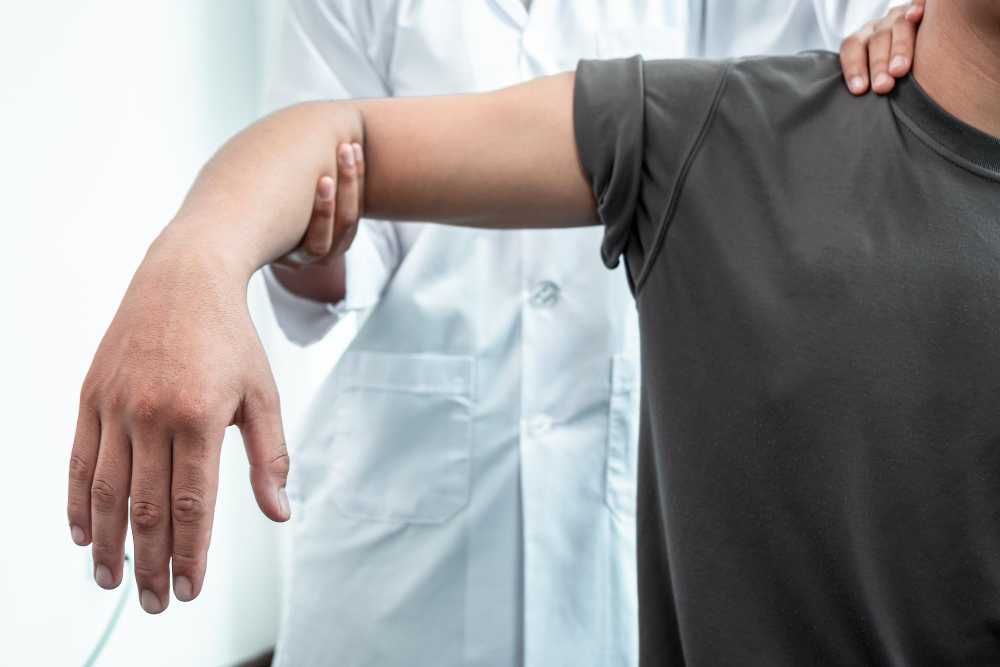
    Doctors use several steps to diagnose frozen shoulder. First, they ask about your symptoms and medical history. Next, they check your shoulder’s range of motion. During the exam, you may be asked to move your arm in different directions. Sometimes, doctors use imaging tests, such as X-rays or MRI scans, to rule out other problems. However, these tests do not show frozen shoulder itself. Instead, they help make sure there is no other cause for your pain and stiffness. Early diagnosis can help start treatment sooner.

    Treatment Options for Frozen Shoulder

    There are many ways to treat frozen shoulder. Most people get better with simple steps, such as:Physical therapy to stretch and strengthen the shoulderPain relief with medicines like acetaminophen or ibuprofenApplying heat or cold packs to reduce painGentle exercises at home

    In some cases, doctors may suggest:Corticosteroid injections to reduce swellingShoulder joint distension, where fluid is injected to stretch the jointSurgery, but only if other treatments do not help

    Most people recover within one to three years. However, sticking to your treatment plan is key for the best results.

    Tips for Managing and Preventing Frozen Shoulder

    Although frozen shoulder can be hard to prevent, there are steps you can take to lower your risk:Keep your shoulder moving after an injury or surgery, as your doctor allowsDo gentle stretching exercises every dayFollow your physical therapist’s adviceManage health conditions like diabetesSee a doctor if you notice pain or stiffness that does not go away

    With early care and regular movement, you can help keep your shoulder healthy. If you have had frozen shoulder before, these tips may also help prevent it from coming back.

    Conclusion

    Frozen shoulder can cause pain and limit your daily life. However, with the right care, most people recover fully. If you notice shoulder pain or stiffness, do not wait. Consult an orthopedic specialist at Hyderabad Ortho and Spine for personalized advice on frozen shoulder.

  • Arthroscopy for Rotator Cuff Repairs: Procedure, Benefits, and Recovery

    Arthroscopy for Rotator Cuff Repairs: Procedure, Benefits, and Recovery

    Introduction to Rotator Cuff Injuries and Arthroscopy

    Arthroscopy for rotator cuff repairs is a common way to treat shoulder pain. The rotator cuff is a group of muscles and tendons in your shoulder. These help you lift and move your arm. Sometimes, these tendons can tear. This causes pain and weakness. Arthroscopy is a type of minimally invasive shoulder surgery. Doctors use small tools and a camera to fix the tear. As a result, recovery is often faster and less painful than with open surgery.

    Symptoms and Causes of Rotator Cuff Tears

    Rotator cuff tears can happen to anyone. However, they are more common in people over 40 or those who use their arms a lot. You may notice symptoms such as:Pain when lifting or lowering your armWeakness in the shoulderCrackling sound when moving the armTrouble sleeping on the affected side

    There are several causes for these tears. For example, they can result from:Sudden injury, like falling on your armRepetitive motions, such as throwing or liftingWear and tear from agingPoor blood supply to the tendons

    According to the CDC, early treatment can help prevent further damage.

    How Arthroscopy Is Used for Rotator Cuff Repairs

    Doctors often choose arthroscopy for rotator cuff tear treatment. The procedure uses small cuts instead of one large one. Here is a step-by-step overview:First, the doctor gives you anesthesia to keep you comfortable.Next, small cuts are made around your shoulder.A tiny camera, called an arthroscope, is inserted. This lets the doctor see inside your shoulder.Special tools are used to remove damaged tissue and repair the torn tendon.Finally, the doctor closes the cuts with stitches or small bandages.

    Because the cuts are small, there is less damage to healthy tissue. This means you may heal faster.

    Benefits of Arthroscopic Surgery Compared to Open Surgery

    Many people prefer minimally invasive shoulder surgery. There are several reasons for this choice. For instance, arthroscopy offers:Smaller scarsLess pain after surgeryLower risk of infectionShorter hospital staysFaster return to daily activities

    Additionally, studies in peer-reviewed medical journals show that shoulder arthroscopy recovery is often smoother than with open surgery.

    Recovery Process and Expected Outcomes

    After arthroscopy for rotator cuff repairs, recovery takes time. Most people wear a sling for a few weeks. This helps protect the shoulder as it heals. Physical therapy usually starts soon after surgery. It helps you regain strength and movement. While everyone heals at a different pace, many people return to normal activities within three to six months. However, heavy lifting or sports may take longer. According to the WHO, following your doctor’s advice improves your chances of a full recovery.

    Tips for Post-Surgery Care and Prevention of Future Injuries

    Proper care after surgery is important. Here are some tips to help you heal and avoid future problems:Follow your doctor’s instructions closelyAttend all physical therapy sessionsTake pain medicine only as prescribedApply ice to reduce swelling, if advisedAvoid lifting heavy objects until cleared by your doctorPractice gentle shoulder exercises as recommendedUse good posture to protect your shoulder

    In addition, regular exercise and stretching can keep your shoulder strong. If you notice pain or weakness, contact your doctor right away.

    For the best results, consult Dr. Manivannan, an orthopedic specialist, for personalized advice on rotator cuff repairs.

  • Ankylosing Spondylitis (Inflammatory Arthritis of Spine): Symptoms, Causes & Care

    Ankylosing Spondylitis (Inflammatory Arthritis of Spine): Symptoms, Causes & Care

    What is Ankylosing Spondylitis?

    Ankylosing Spondylitis (Inflammatory Arthritis of Spine) is a long-term condition. It mainly affects the spine and lower back. This disease causes swelling and pain in the joints of the spine. Over time, the bones in the spine may join together. As a result, movement can become stiff or limited. People may also call it inflammatory arthritis of the spine. Although it often starts in young adults, anyone can get it. Early diagnosis and care can help manage symptoms and improve quality of life.

    Common Symptoms

    Symptoms of Ankylosing Spondylitis can vary from person to person. However, some signs are more common. Recognizing these early can help you seek care sooner. For example, you may notice:Lower back pain, especially in the morning or after restStiffness in the back or hipsPain that improves with movement but not with restFatigue or feeling very tiredSwelling in other joints, such as knees or anklesIn some cases, pain in the neck or shoulders

    Sometimes, people may also have red or painful eyes. If you notice these symptoms, it is important to talk to your doctor.

    Causes and Risk Factors

    Doctors do not know the exact cause of Ankylosing Spondylitis. However, both genes and the immune system play a role. For instance, many people with this condition have a gene called HLA-B27. Yet, not everyone with this gene gets the disease. Other risk factors include:Family history of Ankylosing SpondylitisBeing male (men are more likely to develop it)Young age (often starts before age 40)

    Although these factors increase risk, anyone can develop this condition. Therefore, knowing your risk can help you watch for early signs.

    How Ankylosing Spondylitis is Diagnosed

    Diagnosing Ankylosing Spondylitis can take time. Doctors use several steps to find the cause of your symptoms. First, they ask about your pain and medical history. Next, they may do a physical exam to check for stiffness or swelling. In addition, doctors often order tests such as:Blood tests to look for signs of swelling or the HLA-B27 geneX-rays or MRI scans to see changes in the spine or joints

    Early diagnosis is important. It helps you start treatment sooner and prevents long-term problems.

    Treatment Options

    While there is no cure for Ankylosing Spondylitis, many treatments can help manage symptoms. Your doctor will suggest a plan based on your needs. Common treatment options include:Medicines to reduce pain and swelling, such as NSAIDsPhysical therapy to keep your back flexibleExercise programs designed for spine healthIn some cases, stronger medicines that control the immune systemSurgery, but only in rare and severe cases

    With the right care, many people can lead active lives. Always follow your doctor’s advice for the best results.

    Lifestyle Tips for Managing Ankylosing Spondylitis

    Besides medical treatment, healthy habits can make a big difference. For example, you can:Stay active with gentle exercises like walking or swimmingPractice good posture to protect your spineUse heat or cold packs to ease painGet enough rest and manage stressAvoid smoking, as it can worsen symptoms

    Moreover, joining a support group can help you connect with others who understand your journey.

    Prevention and Early Detection

    Currently, there is no sure way to prevent Ankylosing Spondylitis. However, early detection can help limit damage and improve outcomes. If you have a family history or notice symptoms, talk to your doctor right away. Regular check-ups and staying informed are key steps. In addition, keeping a healthy lifestyle may lower your risk of severe problems.

    Conclusion and Call-to-Action

    Ankylosing Spondylitis (Inflammatory Arthritis of Spine) can affect daily life, but early care makes a difference. If you notice back pain, stiffness, or other symptoms, do not wait. Consult Hyderabad Ortho and Spine for a proper diagnosis and a treatment plan that fits your needs. Your doctor can help you manage symptoms and protect your spine health for years to come.

  • What is Hip Resurfacing Surgery? Understanding the Procedure and Benefits

    What is Hip Resurfacing Surgery? Understanding the Procedure and Benefits

    What Is Hip Resurfacing Surgery?

    Hip resurfacing surgery is a type of hip replacement. In this procedure, doctors reshape and cap the surfaces of the hip joint bones. Unlike total hip replacement, hip resurfacing keeps more of your natural bone. The main goal is to reduce pain and improve movement. Many people choose this option for hip arthritis or joint damage. The hip resurfacing procedure is less invasive than some other surgeries. As a result, recovery may be faster for some patients. This surgery is becoming more popular for active adults. According to the CDC, hip surgeries help many people regain mobility each year.

    Who Needs Hip Resurfacing?

    Not everyone is a good candidate for hip resurfacing. However, it can help certain groups. Doctors may suggest hip resurfacing for:Adults under 60 with strong, healthy bonesPeople with hip pain from arthritis or injuryActive individuals who want to keep high activity levelsPatients who want to avoid a full hip replacement

    On the other hand, some people should not have this surgery. For example, those with weak bones, severe bone loss, or certain health problems may not qualify. Always talk to your doctor to see if hip resurfacing is right for you.

    Benefits and Risks of Hip Resurfacing

    There are many benefits of hip resurfacing. For instance, it keeps more of your natural bone. This can make future surgeries easier if needed. Also, many patients enjoy a wider range of motion after surgery. Some people return to sports or active hobbies. However, every surgery has risks. Possible risks include:Infection at the surgery siteBlood clots in the legsHip dislocation or bone fractureMetal allergy or reactionNeed for another surgery later

    Still, most people recover well and feel less pain. According to orthopedic journals, hip resurfacing can last many years for the right patient.

    How Is Hip Resurfacing Performed?

    During the hip resurfacing procedure, the surgeon makes a small cut near the hip. Next, the damaged bone and cartilage are trimmed and shaped. Then, the surgeon places a smooth metal cap over the top of the thigh bone. A matching metal cup is placed in the hip socket. This new surface allows the joint to move smoothly. The surgery usually takes a few hours. Most patients stay in the hospital for one to three days. Your doctor will explain each step before the operation.

    Recovery and Aftercare Tips

    Recovery after hip resurfacing surgery is important. With proper care, you can heal faster and avoid problems. Here are some tips for hip surgery recovery:Follow your doctor’s instructions closelyTake pain medicine as prescribedUse crutches or a walker as neededStart gentle exercises to regain strengthKeep the surgery area clean and dryWatch for signs of infection, like redness or swelling

    Most people can walk with help within a few days. However, full recovery may take several weeks. Physical therapy helps you get back to normal activities. Always ask your doctor before trying new exercises.

    Prevention and Lifestyle Guidance

    Even after surgery, healthy habits matter. For example, keeping a healthy weight reduces stress on your new hip. Regular exercise keeps your muscles strong. But avoid high-impact sports unless your doctor approves. Eat a balanced diet with enough calcium and vitamin D. This helps keep your bones healthy. If you smoke, try to quit, as smoking slows healing. Finally, see your doctor for regular check-ups. Early care can prevent future problems.

    In summary, hip resurfacing surgery can help many people with hip pain. It offers a way to stay active and reduce discomfort. However, it is not right for everyone. Consult Hyderabad Ortho and Spine to learn if hip resurfacing surgery is right for you.

  • Shoulder Arthroscopy: Procedure, Recovery, and What to Expect

    Shoulder Arthroscopy: Procedure, Recovery, and What to Expect

    What is Shoulder Arthroscopy?

    Shoulder arthroscopy is a type of minimally invasive shoulder surgery. Doctors use a small camera, called an arthroscope, to look inside your shoulder joint. Because the cuts are small, this surgery often leads to less pain and a faster recovery. Many people choose shoulder arthroscopy for shoulder pain treatment when other methods do not help. According to the American Academy of Orthopaedic Surgeons, this procedure is safe and effective for many shoulder problems.

    Common Reasons for Shoulder Arthroscopy

    Doctors may suggest shoulder arthroscopy for several reasons. Often, it helps when shoulder pain does not improve with rest, medicine, or physical therapy. Some common reasons include:Repairing a torn rotator cuffFixing a torn labrumRemoving loose pieces of bone or cartilageTreating shoulder impingementRemoving inflamed tissue

    Sometimes, shoulder arthroscopy is also used to treat frozen shoulder or to check for unexplained pain.

    How the Procedure Works

    Before surgery, your doctor will explain the steps and answer your questions. First, you will receive anesthesia to keep you comfortable. Next, the surgeon makes small cuts around your shoulder. Then, they insert the arthroscope to see inside the joint. Special tools help the surgeon repair or remove damaged tissue. Because the cuts are small, there is usually less bleeding and swelling. The whole process often takes one to two hours. After surgery, you will rest in a recovery area until you are ready to go home.

    Benefits and Risks

    Shoulder arthroscopy offers many benefits. For example, it usually causes less pain and scarring than open surgery. Also, recovery is often quicker. However, like any surgery, there are risks. These may include:InfectionStiffness or swellingNerve or blood vessel injury (rare)Blood clots

    Most people recover well, but it is important to follow your doctor’s advice. The World Health Organization notes that following safety steps can lower the risk of problems.

    Recovery Timeline and Tips

    Recovery from shoulder arthroscopy depends on your health and the type of repair. Usually, you can go home the same day. For the first few days, you may need to wear a sling. Pain and swelling are common, but they often improve with rest and ice. Your doctor may suggest gentle exercises to help you heal. Here are some tips for a smooth recovery:Follow your doctor’s instructions closelyKeep your shoulder clean and dryTake pain medicine as prescribedStart physical therapy when advisedAvoid heavy lifting until cleared by your doctor

    Most people return to light activities within a week or two. However, full recovery may take several months, especially after major repairs. Shoulder arthroscopy recovery is faster than open surgery, but patience is key.

    Prevention and Lifestyle Guidance

    After you heal, it is important to protect your shoulder. You can lower your risk of future problems by:Warming up before exerciseUsing proper lifting techniquesStrengthening shoulder muscles with safe exercisesAvoiding sudden, jerky movementsListening to your body and resting when needed

    In addition, regular check-ups with your doctor can help catch any new issues early.

    When to Consult an Orthopedic Surgeon

    If you have ongoing shoulder pain that does not improve with rest or medicine, it may be time to see a specialist. Also, if you notice weakness, swelling, or trouble moving your arm, do not wait. An orthopedic surgeon can help you decide if shoulder arthroscopy or another treatment is right for you. Early care often leads to better results.

    For personalized guidance on shoulder arthroscopy, consult Hyderabad Ortho and Spine today.

  • Rheumatoid Arthritis: What to Know?

    Rheumatoid Arthritis: What to Know?

    Rheumatoid arthritis is a long-term autoimmune disease that causes joint pain and swelling. It affects people of all ages, but it is more common in adults. Because rheumatoid arthritis can damage joints and limit movement, it is important to understand its symptoms, causes, and treatment options. Early arthritis management can help you live a better life and reduce the risk of joint damage.

    What is Rheumatoid Arthritis?

    Rheumatoid arthritis, often called RA, is a disease where the immune system attacks the joints by mistake. Usually, the immune system protects the body from germs. However, in RA, it targets healthy joint tissue. This leads to pain, swelling, and sometimes redness. Over time, RA can damage the joints and nearby bones. Unlike some other types of arthritis, RA often affects both sides of the body at the same time. For example, both wrists or both knees may hurt.

    Common Symptoms

    Many people with rheumatoid arthritis notice symptoms that come and go. Sometimes, symptoms get worse during a “flare.” Early signs often include:Joint pain, especially in the hands, wrists, or kneesStiffness in the morning that lasts more than 30 minutesSwelling and warmth in the jointsFatigue or feeling very tiredLow-grade feverLoss of appetite

    As the disease progresses, joint damage can make it hard to move or do daily tasks. In some cases, RA can also affect other parts of the body, such as the eyes, lungs, or heart.

    Causes and Risk Factors

    Doctors do not know the exact cause of rheumatoid arthritis. However, several factors can raise your risk:Family history of autoimmune diseaseBeing female (RA is more common in women)Age (risk increases with age, but it can start at any age)Smoking tobaccoObesityExposure to certain infections or environmental factors

    Although these factors can increase risk, not everyone with them will develop RA. Sometimes, RA appears without any clear reason.

    Diagnosis and Tests

    Because rheumatoid arthritis shares symptoms with other joint problems, doctors use several steps to diagnose it. First, your doctor will ask about your symptoms and medical history. Next, they will examine your joints for swelling, redness, and movement. To confirm the diagnosis, doctors may order:Blood tests to check for inflammation and specific antibodiesX-rays or MRI scans to look for joint damageUltrasound to see swelling inside the joints

    Early diagnosis is important. According to the CDC, starting treatment soon after symptoms begin can help prevent joint damage.

    Treatment Options

    There is no cure for rheumatoid arthritis, but many treatments can help manage symptoms and slow joint damage. Treatment plans often include:Medications to reduce pain and swelling, such as NSAIDsDrugs that slow the immune system, called DMARDsBiologic medicines for severe casesPhysical therapy to keep joints flexibleOrthopedic care, including surgery for damaged joints if needed

    Your doctor will choose the best treatment based on your symptoms and health. Sometimes, a team of specialists will work together to help you manage RA.

    Lifestyle Tips for Living with Rheumatoid Arthritis

    Even though RA can be challenging, many people find ways to live well. Here are some helpful tips:Stay active with gentle exercises like walking or swimmingEat a balanced diet rich in fruits, vegetables, and lean proteinMaintain a healthy weight to reduce joint stressUse heat or cold packs to ease painGet enough rest and manage stressFollow your doctor’s advice and take medicines as prescribed

    Additionally, joining a support group can help you connect with others who understand your experience.

    Prevention and Early Detection

    While you cannot always prevent rheumatoid arthritis, some steps may lower your risk. For example, do not smoke, and keep a healthy weight. If you have a family history of RA, tell your doctor. Early detection is key. If you notice joint pain or swelling that lasts more than a few weeks, see a doctor right away. Quick action can help protect your joints and improve your quality of life.

    When to See a Doctor

    If you have joint pain, swelling, or stiffness that does not go away, it is time to seek medical advice. Also, if you have trouble moving or notice changes in your joints, do not wait. Early treatment can make a big difference. For the best arthritis management, consult an orthopedic specialist They can help you find the right care plan for your needs.

    Remember: If you have concerns about joint pain or rheumatoid arthritis, consult your doctor or an orthopedic specialist at Hyderabad Ortho and Spine for personalized advice.