Category: Health

  • Knee Arthroscopy: Procedure, Recovery, and What to Expect

    Knee Arthroscopy: Procedure, Recovery, and What to Expect

    What Is Knee Arthroscopy?

    Knee arthroscopy is a minimally invasive knee surgery. Doctors use it to look inside your knee joint and treat problems. During this procedure, a small camera called an arthroscope is inserted through a tiny cut. This camera lets the surgeon see the inside of your knee on a screen. Because the cuts are small, recovery is often quicker than with open surgery. Many people choose knee arthroscopy for faster healing and less pain.

    Common Reasons for Knee Arthroscopy

    Doctors recommend knee arthroscopy for several knee problems. Often, this surgery helps when other treatments do not work. For example, you might need it if you have:Torn meniscus (cartilage in the knee)Damaged ligamentsLoose pieces of bone or cartilageSwollen or inflamed joint liningKnee pain that does not improve with rest or medicine

    Sometimes, knee arthroscopy is also used to diagnose knee pain when the cause is unclear.

    How the Procedure Is Performed

    First, your doctor will give you anesthesia to keep you comfortable. Next, the surgeon makes one or two small cuts around your knee. Through these cuts, the arthroscope and special tools are inserted. The camera sends images to a screen, helping the surgeon see inside your knee. If needed, the doctor will repair or remove damaged tissue. Usually, the whole procedure takes less than an hour. Afterward, you will rest in a recovery area for a short time.

    Recovery Process and Timeline

    After knee arthroscopy, recovery is usually faster than with open knee surgery. However, you still need to take care of your knee. Here is what you can expect:Most people go home the same day.You may need crutches for a few days.Swelling and mild pain are common at first.Ice packs and keeping your leg raised can help reduce swelling.Physical therapy often starts within a week.Many people return to normal activities in 4–6 weeks.

    Still, recovery time can vary. It depends on your health and the type of knee problem treated. Always follow your doctor’s advice for the best results.

    Benefits and Risks

    Knee arthroscopy offers many benefits. Yet, like any surgery, it has some risks. Here are the main points to consider:Benefits:Smaller cuts and less scarringShorter recovery timeLess pain after surgeryLower risk of infectionQuick return to daily activitiesRisks:Infection at the surgery siteBlood clotsStiffness or swelling in the kneeBleeding inside the jointRarely, nerve or blood vessel injury

    Most people have a smooth recovery. Still, it is important to know the possible risks before surgery. (Source: American Academy of Orthopaedic Surgeons)

    Tips for a Smooth Recovery

    To help your knee heal well, follow these simple tips:Rest your knee as much as possibleUse ice packs to reduce swellingKeep your leg raised when sitting or lying downTake pain medicine as directed by your doctorAttend all physical therapy sessionsFollow your doctor’s instructions for wound careAvoid heavy lifting or sports until your doctor says it is safe

    With these steps, you can support a faster and safer recovery.

    Prevention and Long-Term Knee Health

    Even after knee arthroscopy, you can take steps to protect your knee. For example, you can:Maintain a healthy weight to reduce stress on your kneesExercise regularly to keep your muscles strongWarm up before sports or physical activityWear proper shoes for supportAvoid sudden twists or heavy impacts

    By following these tips, you can help prevent future knee problems and enjoy better joint health.

    In summary, knee arthroscopy is a safe and effective way to treat many knee issues. If you have lasting knee pain, consult an orthopedic specialist at Hyderabad ortho and spine to discuss if knee arthroscopy is right for you.
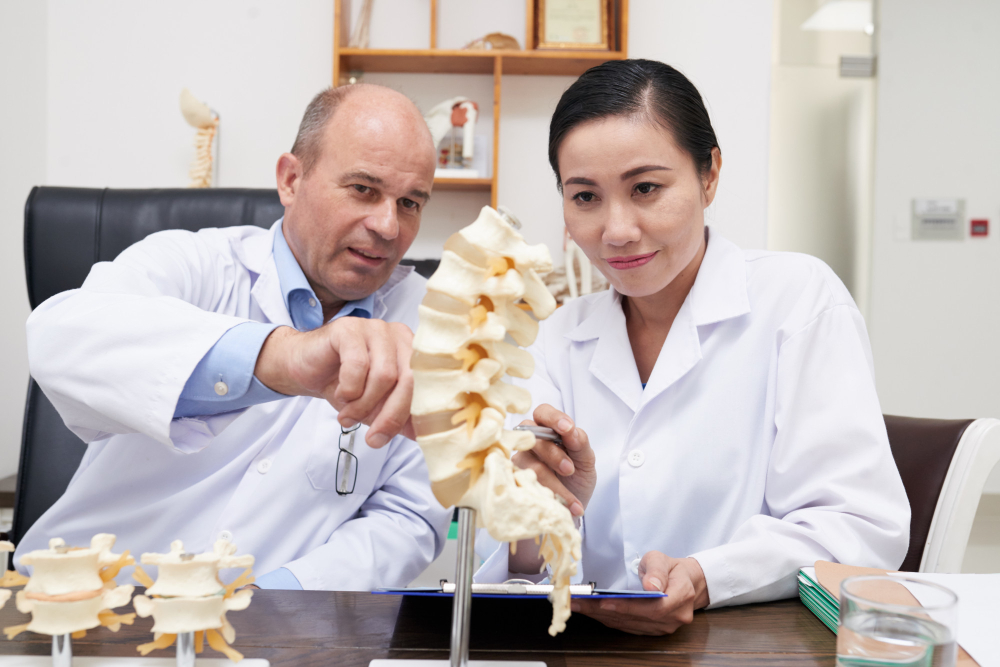

  • Herniated Disc vs. Spinal Stenosis: Symptoms, Causes, Diagnosis, and Treatment

    Herniated Disc vs. Spinal Stenosis: Symptoms, Causes, Diagnosis, and Treatment

    Introduction

    Many people wonder about the difference between a herniated disc and spinal stenosis. Both are common spinal conditions, especially in adults. However, they are not the same. A herniated disc happens when the soft center of a spinal disc pushes out. In contrast, spinal stenosis means the spaces in your spine narrow. This can put pressure on nerves. Understanding herniated disc vs spinal stenosis can help you recognize symptoms and seek the right care.

    Symptoms: How Do They Compare?

    Both conditions can cause back pain. Yet, their symptoms are often different. Knowing these differences is important for early treatment.Herniated Disc Symptoms:Sharp or burning pain in the back or neckPain that spreads to arms or legsNumbness or tingling in hands or feetMuscle weakness in affected areasPain often worsens with movement or coughingSpinal Stenosis Symptoms:Dull or aching back or neck painLeg or arm weaknessNumbness or tingling, especially in legsPain that gets worse when standing or walkingRelief when sitting or leaning forward

    As you can see, both can cause nerve pain. However, spinal stenosis often leads to pain when walking, while a herniated disc may cause sudden, sharp pain.

    Causes: What Leads to These Conditions?

    Understanding the causes can help you lower your risk. Although both affect the spine, their causes are not always the same.Herniated Disc Causes:Age-related wear and tear (degeneration)Sudden injury or heavy liftingRepetitive movements or poor postureObesity, which adds pressure to the spineSpinal Stenosis Causes:Natural aging and spinal wearArthritis, which can thicken ligamentsBone spurs from osteoarthritisPast injuries or spinal surgeryRarely, tumors or genetic conditions

    In the United States, both conditions are more common in adults over 50. But, younger people can also be affected, especially after injuries.

    Diagnosis: How Do Doctors Tell the Difference?

    Doctors use several steps to diagnose herniated disc vs spinal stenosis. First, they ask about your symptoms and medical history. Next, they perform a physical exam. Often, they check your reflexes, muscle strength, and sensation.

    To confirm the diagnosis, doctors may order imaging tests, such as:MRI (Magnetic Resonance Imaging): Shows soft tissues and nervesCT Scan: Gives detailed images of bones and discsX-rays: Reveal bone changes or narrowing

    Sometimes, doctors use nerve tests to check how well your nerves work. These tests help find the exact cause of your symptoms.

    Treatment Options: What Can You Do?

    There are many treatment options for herniated disc and spinal stenosis. Most people start with non-surgical care. However, surgery may be needed if symptoms are severe or do not improve.

    Non-Surgical Treatments

    Rest and gentle activityPhysical therapy to strengthen musclesPain relievers or anti-inflammatory medicinesHot or cold packs for pain reliefEpidural steroid injections to reduce swelling

    For many, these steps help manage pain and improve movement. But, if symptoms last or get worse, surgery may be considered.

    Surgical Treatments

    For Herniated Disc: Removing the part of the disc pressing on nerves (discectomy)For Spinal Stenosis: Removing bone or tissue to create more space (laminectomy or decompression surgery)

    Doctors will discuss the risks and benefits of surgery. Most people recover well, but every case is different.

    Prevention & Lifestyle Tips

    While you cannot always prevent spinal problems, some steps can lower your risk. In addition, these tips may help manage mild symptoms.Maintain a healthy weight to reduce spine pressureExercise regularly to keep back muscles strongUse good posture when sitting or standingLift objects with your legs, not your backTake breaks from long periods of sittingStop smoking, as it can weaken spinal discs

    Furthermore, staying active and flexible can help protect your spine as you age.

    When to See a Doctor

    Some symptoms need quick medical attention. If you notice any of the following, see a doctor right away:Severe or sudden back painLoss of feeling or weakness in your arms or legsTrouble controlling your bladder or bowelsPain that does not improve with rest

    Early treatment can prevent further problems and improve your quality of life.

    Conclusion

    In summary, herniated disc vs spinal stenosis are two different spinal conditions. Both can cause pain and nerve symptoms, but their causes and treatments may differ. If you have symptoms of a herniated disc or spinal stenosis, consult an orthopedic specialist at Hyderabad ortho and spine for personalized advice.

  • Causes of Rheumatoid Arthritis: Understanding the Triggers and Risk Factors

    Causes of Rheumatoid Arthritis: Understanding the Triggers and Risk Factors

    Introduction

    Rheumatoid arthritis is a long-term disease that affects the joints. It can cause pain, swelling, and stiffness. Understanding the causes of rheumatoid arthritis is important. This knowledge helps people spot early signs and seek help. In this blog, we will explain what triggers rheumatoid arthritis and the main risk factors. We will also discuss when to see a doctor and where to find reliable information.

    What is Rheumatoid Arthritis?

    Rheumatoid arthritis is a disease where the body’s immune system attacks its own joints. Usually, the immune system protects us from germs. However, in this condition, it mistakes healthy joint tissue for harmful invaders. As a result, the joints become swollen and painful. Over time, this can damage the joints and make movement hard.

    Main Causes of Rheumatoid Arthritis

    Experts do not know the exact causes of rheumatoid arthritis. Still, several factors can play a role. Below are the main causes explained:Genetic Factors: Some people inherit genes that make them more likely to get rheumatoid arthritis. If a close family member has it, your risk is higher.Immune System Dysfunction: Sometimes, the immune system does not work as it should. It attacks healthy joint tissue by mistake, leading to inflammation.Environmental Triggers: Certain things in the environment, like pollution or chemicals, may trigger the disease in people who are already at risk.Infections: Some infections may start the immune system’s attack on the joints. However, no single germ has been proven as the main cause.Hormones: Hormones may play a role, especially in women. Changes in hormone levels can affect the immune system and may trigger symptoms.

    Risk Factors for Developing Rheumatoid Arthritis

    While anyone can get rheumatoid arthritis, some people have a higher risk. Here are the main risk factors for rheumatoid arthritis:Age: Most people develop it between ages 30 and 60. But it can happen at any age.Gender: Women are more likely to get rheumatoid arthritis than men.Family History: If someone in your family has the disease, your risk increases.Smoking: Smoking cigarettes raises your risk and can make symptoms worse.Obesity: Being overweight puts extra stress on joints and may increase risk.Exposure to Certain Chemicals: Some jobs or environments expose people to chemicals that may raise risk.

    How Do These Causes Lead to Rheumatoid Arthritis?

    Now, let’s see how these causes work together. First, a person may have genes that make them more likely to get the disease. Next, something in the environment, like an infection or chemical, can trigger the immune system. Because of this, the immune system starts attacking the joints. Over time, this leads to swelling, pain, and joint damage. In addition, risk factors like smoking or obesity can make the disease start sooner or become worse.

    When to See a Doctor

    It is important to notice early signs of rheumatoid arthritis. For example, if you have joint pain, swelling, or stiffness that lasts more than a few weeks, see a doctor. Early diagnosis can help prevent joint damage. Also, if you have a family history or other risk factors, talk to your doctor about your concerns. Early treatment can make a big difference.

    Conclusion and Next Steps

    In summary, the causes of rheumatoid arthritis include genes, immune system problems, and environmental triggers. Risk factors like age, gender, and smoking also play a role. If you notice joint pain or swelling, do not wait. Consult an orthopedic specialist at Hyderabad ortho and spine for personalized advice if you have concerns about rheumatoid arthritis. Early help can protect your joints and improve your quality of life.

  • PCL Injuries: Symptoms, Causes, Diagnosis & Treatment Explained

    PCL Injuries: Symptoms, Causes, Diagnosis & Treatment Explained


    What is a PCL Injury?

    PCL injuries affect the posterior cruciate ligament in your knee. This ligament helps keep your knee stable. When you hurt your PCL, it is called a posterior cruciate ligament injury. Often, PCL injuries happen during sports or accidents. Although less common than other knee ligament injuries, they can still cause pain and trouble moving. Early care is important for the best recovery.

    Common Symptoms of PCL Injuries

    Recognizing PCL tear symptoms early can help you get the right treatment. While some people feel only mild pain, others may notice more severe signs. For example, you might feel:Pain in the back of your kneeSwelling soon after the injuryStiffness or trouble bending your kneeA feeling that your knee is unstable or may give outDifficulty walking or putting weight on your leg

    However, some PCL injuries cause only mild symptoms at first. Over time, you may notice your knee feels weak or loose.

    Causes and Risk Factors

    PCL injuries often happen when your knee is hit hard. For instance, a car accident or a fall can cause a knee ligament injury. Sports like football, soccer, or basketball also increase your risk. In addition, twisting your knee or landing awkwardly can hurt the PCL. Some risk factors include:Playing contact sportsFalling directly onto a bent kneeCar accidents, especially when the knee hits the dashboardWeak muscles around the knee

    Because the PCL is strong, it usually takes a strong force to injure it.

    How PCL Injuries are Diagnosed

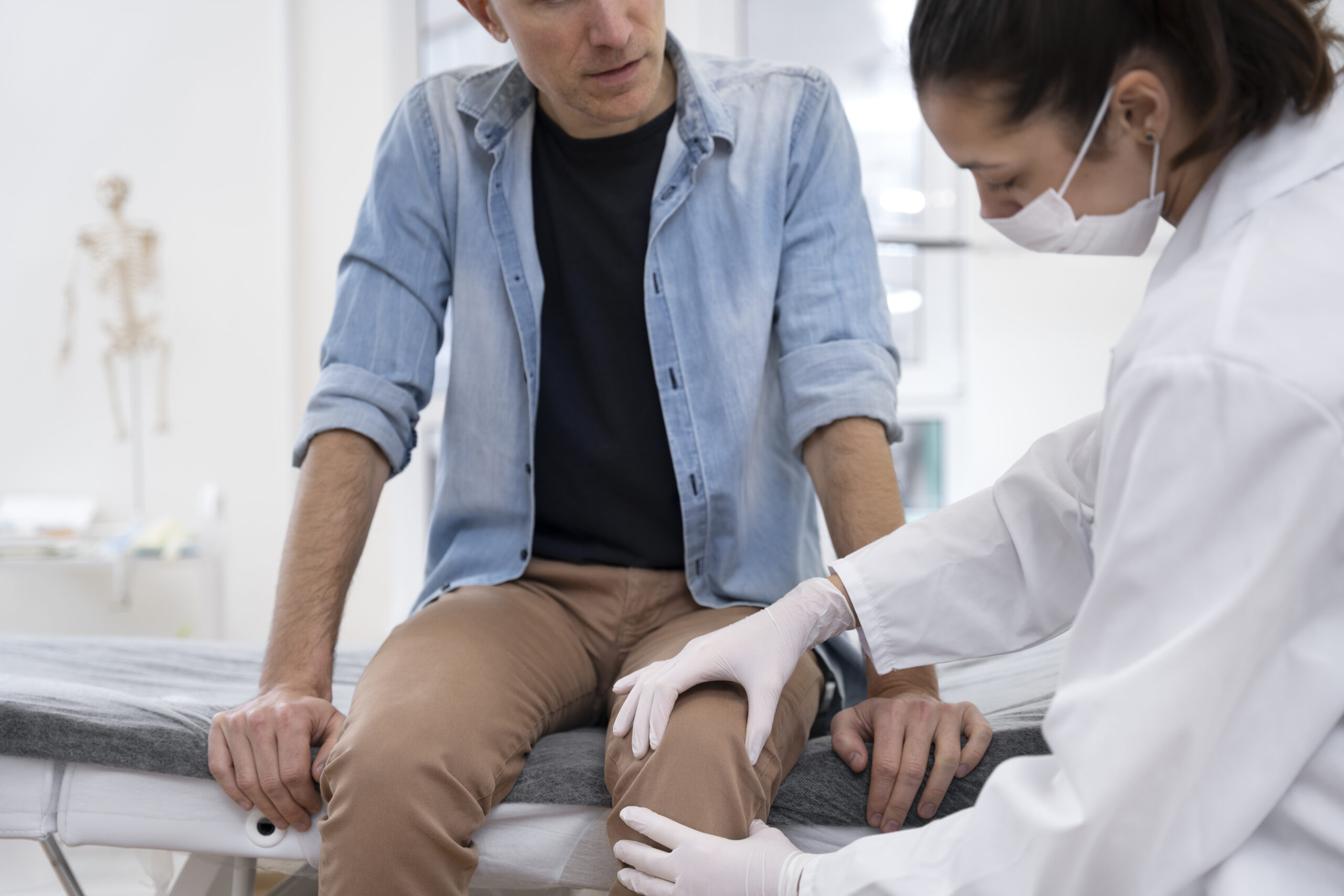
    Doctors use several steps to diagnose a PCL injury. First, they ask about your symptoms and how the injury happened. Next, they examine your knee for swelling, pain, and movement. Often, they use special tests to check the strength of your ligaments. In many cases, your doctor may order imaging tests, such as:X-rays to rule out broken bonesMRI scans to see the ligaments and soft tissues

    With these tools, doctors can tell if you have a PCL tear and how severe it is. Early diagnosis helps guide the best treatment plan.

    Treatment Options for PCL Injuries

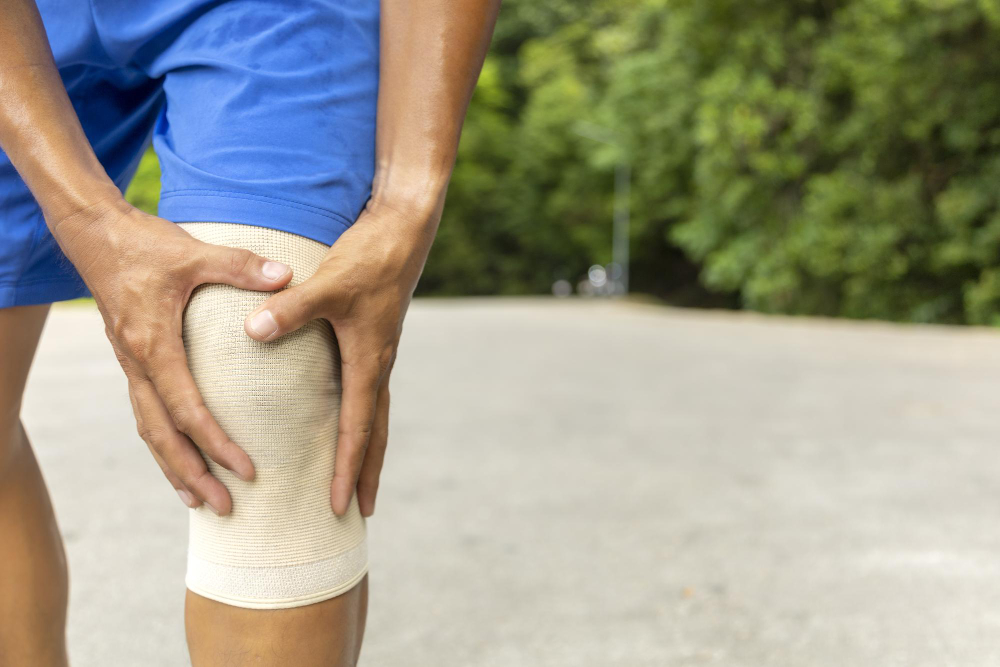
    PCL injury treatment depends on how bad the injury is. For mild injuries, rest and simple care may be enough. However, more serious tears may need extra help. Common treatment options include:Rest, ice, and keeping your leg raisedWearing a knee brace for supportPhysical therapy to strengthen musclesPain medicine as neededSurgery for severe or complex tears

    Most people recover well with proper orthopedic care for PCL injuries. Your doctor will help you choose the best treatment for your needs.

    Prevention and Recovery Tips

    Although you cannot prevent all PCL injuries, you can lower your risk. For example, you can:Warm up before sports or exerciseStrengthen the muscles around your kneeUse proper gear and safe techniques during activitiesStay alert to avoid falls or accidents

    During recovery, follow your doctor’s advice. In addition, attend all physical therapy sessions. Take care not to rush back to sports or heavy activity. With time and care, most people return to normal activities.

    If you suspect a PCL injury, consult an orthopedic specialist at  Hyderabad Ortho and Spine for personalized care.

  • Anterior Cruciate Ligament (ACL) Surgery: Symptoms, Diagnosis, Procedure, Recovery, and Prevention

    Anterior Cruciate Ligament (ACL) Surgery: Symptoms, Diagnosis, Procedure, Recovery, and Prevention

    What is the Anterior Cruciate Ligament (ACL)?

    The Anterior Cruciate Ligament (ACL) is a strong band of tissue inside your knee. It connects the thigh bone to the shin bone. Because it helps keep your knee stable, the ACL is important for walking, running, and turning. Many people injure their ACL during sports or sudden movements. For some, Anterior Cruciate Ligament (ACL) Surgery becomes necessary to restore knee function.

    Symptoms of ACL Injuries

    After an ACL injury, you may notice several signs. Often, people hear or feel a “pop” in the knee. Next, the knee may swell quickly. You might also feel pain or your knee may give way when you try to stand. Common symptoms include:Sudden swelling in the kneePain when moving or walkingFeeling of instability or “giving out”Loss of full range of motion

    Because these symptoms can affect daily life, it is important to seek medical help if you suspect an ACL tear.

    Diagnosis of ACL Tears

    Doctors use several steps to diagnose an ACL tear. First, they ask about your injury and symptoms. Then, they examine your knee for swelling, tenderness, and movement. Often, doctors use special tests to check for instability. In addition, imaging tests like MRI scans help confirm the diagnosis. These tests show the extent of the injury and help plan the best ACL tear treatment.

    When is ACL Surgery Needed?

    Not everyone with an ACL tear needs surgery. However, surgery is often recommended if:You are young and activeYour knee feels unstableYou want to return to sports or physical workOther knee structures are also injured

    Sometimes, older adults or less active people can manage with physical therapy alone. But if your knee keeps giving way, orthopedic knee surgery may be the best option.

    The ACL Surgery Procedure

    During Anterior Cruciate Ligament (ACL) Surgery, the surgeon replaces the torn ligament. Usually, they use a piece of tendon from your own body or a donor. The surgery is done using small cuts and a camera, called arthroscopy. This method helps reduce pain and speeds up healing. The main steps include:Removing the damaged ACLPreparing the new tendon (graft)Placing the graft in the kneeSecuring the graft with screws or other devices

    Because the surgery is minimally invasive, most people go home the same day.

    Recovery and Rehabilitation After ACL Surgery

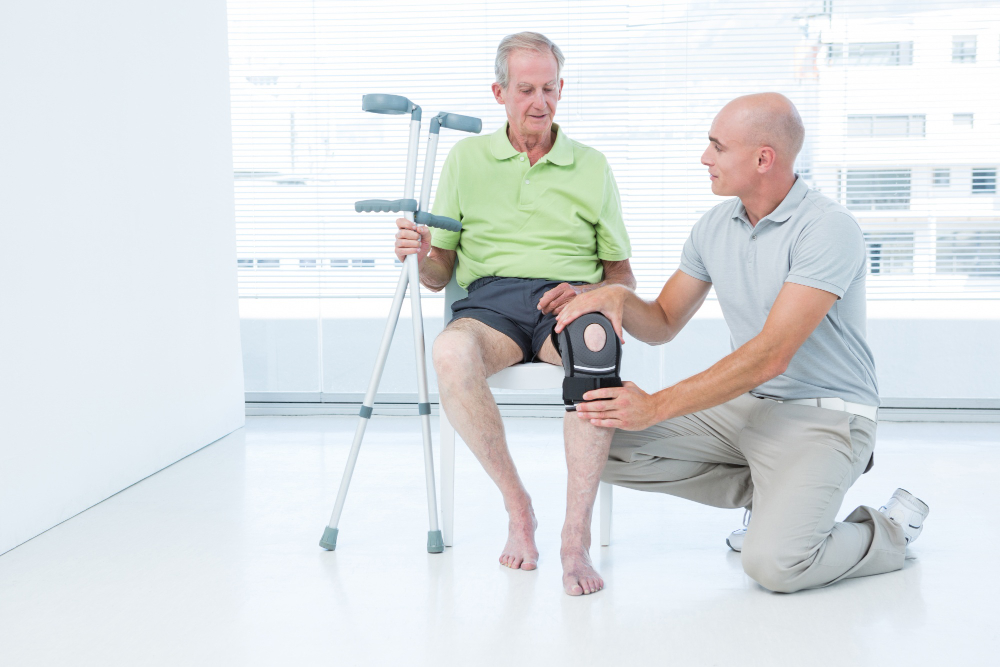
    Recovery after ACL reconstruction takes time and effort. Right after surgery, you may need crutches and a knee brace. Physical therapy starts soon to help you regain strength and movement. Typically, the ACL reconstruction recovery process includes:Rest and ice to reduce swellingGentle exercises to restore motionStrength training for leg musclesGradual return to walking and daily activities

    Most people return to sports or full activity in 6 to 12 months. However, following your doctor’s advice is key for a safe recovery.

    Risks and Complications of ACL Surgery

    Like any surgery, ACL surgery has some risks. Although most people recover well, possible complications include:Infection at the surgery siteBlood clots in the legStiffness or loss of motionGraft failure or re-injuryPain around the knee

    Because these risks are rare, most people benefit from surgery. Still, talk to your doctor about ACL surgery risks before deciding.

    Tips for Prevention of ACL Injuries

    While not all ACL injuries can be prevented, you can lower your risk. For example, you can:Warm up before exerciseStrengthen leg and core musclesPractice safe landing and cutting techniquesWear proper shoes for your sportAvoid sudden stops or turns

    Because prevention is better than cure, these steps can help protect your knees.

    Frequently Asked Questions (FAQs)

    How long does ACL surgery take? Most ACL surgeries last about 1 to 2 hours.Is ACL surgery painful? Some pain is normal after surgery, but medicine and therapy help manage it.Can you walk after ACL surgery? Yes, but you may need crutches for a few weeks.What is the success rate of ACL surgery? According to orthopedic journals, over 90% of people return to normal activities.How soon can I return to sports? Most people return to sports in 6 to 12 months, depending on recovery.

    For more details, visit trusted sources like the CDC or the American Academy of Orthopaedic Surgeons.

    Consult an orthopedic specialist at Hyderabad ortho and spine for personalized advice on ACL injuries and surgery.

  • Meniscus Tears: Symptoms, Causes, Diagnosis, Treatment, and Prevention

    Meniscus Tears: Symptoms, Causes, Diagnosis, Treatment, and Prevention


    Introduction

    Meniscus tears are a common knee injury. They can affect people of all ages. Often, these tears happen during sports or daily activities. Because the meniscus is important for knee health, a tear can cause pain and limit movement. In this blog, you will learn about meniscus tear symptoms, causes, diagnosis, treatment, and how to prevent them. Understanding these points can help you recover faster and protect your knees.

    What is a Meniscus Tear?

    The meniscus is a piece of cartilage in your knee. Each knee has two menisci. They act as cushions between your thigh bone and shin bone. When you twist or turn your knee, the meniscus can tear. This injury is called a meniscus tear. Because the meniscus helps absorb shock, a tear can make your knee feel unstable or sore.

    Symptoms of Meniscus Tears

    Many people with meniscus tears notice pain right away. However, some symptoms may appear later. Common meniscus tear symptoms include:Knee pain, especially when twisting or turningSwelling or stiffness in the kneeA popping feeling at the time of injuryDifficulty straightening or bending the knee fullyKnee locking or catching during movement

    Sometimes, symptoms can be mild at first. But over time, they may get worse if not treated.

    Causes of Meniscus Tears

    Meniscus tears can happen for several reasons. Most often, they occur during activities that involve sudden stops or turns. For example, sports like soccer, basketball, or tennis can put stress on the knee. However, meniscus tears can also happen from simple movements, especially in older adults. As we age, the meniscus becomes weaker and more likely to tear.

    Key risk factors include:Playing contact or high-impact sportsSudden twisting or pivoting movementsKneeling or squatting oftenAge-related wear and tearPrevious knee injuries

    Because these factors increase your risk, it is important to be careful during activities.

    Diagnosis of Meniscus Tears

    If you have knee pain or swelling, see a doctor. Early diagnosis helps prevent further damage. Usually, the doctor will ask about your symptoms and how the injury happened. Next, they will examine your knee for tenderness, swelling, or movement problems. Sometimes, special tests are used to check for a meniscus tear.

    To confirm the diagnosis, your doctor may order imaging tests such as:X-rays: These help rule out bone injuries.MRI scans: These show soft tissues like the meniscus in detail.

    With these tests, your doctor can decide the best treatment for you.

    Treatment Options for Meniscus Tears

    Treatment for meniscus tears depends on the size and location of the tear. Your age, activity level, and overall health also matter. Many tears heal with simple care, but some need surgery. Here are common treatment options:

    Conservative (Non-Surgical) Treatment

    Rest: Avoid activities that cause pain.Ice: Apply ice packs to reduce swelling.Compression: Use a knee brace or wrap.Elevation: Keep your knee raised above heart level.Pain relievers: Over-the-counter medicines can help.Physical therapy: Exercises to strengthen the knee and improve movement.

    Often, these steps help with mild tears. However, if symptoms do not improve, surgery may be needed.

    Surgical Treatment

    Arthroscopic surgery: A small camera and tools are used to repair or remove the torn meniscus.Meniscus repair: The surgeon stitches the torn pieces together.Meniscectomy: The damaged part of the meniscus is removed.

    After surgery, physical therapy helps you regain strength and movement. Recovery time varies, but most people return to normal activities within a few months.

    Prevention Tips for Meniscus Tears

    While not all meniscus tears can be prevented, you can lower your risk. Try these tips to protect your knees:Warm up before exercise or sportsUse proper techniques when lifting or playing sportsWear supportive shoes for your activitiesStrengthen your leg muscles with regular exerciseMaintain a healthy weight to reduce knee stressAvoid sudden twisting or deep squatting

    Because prevention is key, make these habits part of your daily routine.

    Conclusion

    Meniscus tears are a common cause of knee pain and can limit your daily life. However, early diagnosis and proper treatment can help you recover well. Remember, using prevention tips can lower your risk of knee injuries. If you notice meniscus tear symptoms or have ongoing knee pain, consult an orthopedic specialist at Hyderabad ortho & spine for personalized advice on meniscus tears.

  • Carpal Tunnel Syndrome: A Complete Guide

    Carpal Tunnel Syndrome: A Complete Guide


    Introduction to Carpal Tunnel Syndrome

    Carpal Tunnel Syndrome is a common condition that affects the hand and wrist. It happens when the median nerve, which runs through the wrist, gets squeezed. As a result, people may feel pain, numbness, or tingling in their hand. According to the CDC, this condition affects millions of people each year. Early treatment for carpal tunnel can help prevent long-term problems. In this blog, you will learn about carpal tunnel syndrome symptoms, causes, diagnosis, and treatment options.

    Symptoms of Carpal Tunnel Syndrome

    Recognizing carpal tunnel syndrome symptoms early can help you seek care sooner. Usually, symptoms start slowly and may come and go. However, they can get worse over time. Common symptoms include:Numbness or tingling in the thumb, index, or middle fingersWeakness in the hand or trouble gripping objectsPain in the wrist or palm, especially at nightFeeling like your fingers are swollen, even if they are not

    Sometimes, symptoms may spread up the arm. For example, you might notice pain that travels from your wrist to your elbow. If you notice these signs, it is important to pay attention and seek help if needed.

    Causes and Risk Factors

    Carpal Tunnel Syndrome happens when the tunnel in your wrist becomes narrow. This puts pressure on the median nerve. There are several causes and risk factors, including:Repeating the same hand movements, such as typing or using toolsInjury to the wrist, like a sprain or fractureHealth conditions, such as diabetes or arthritisPregnancy, which can cause swelling in the wristFamily history of carpal tunnel syndrome

    Additionally, women are more likely to develop this condition than men. Age can also increase your risk. Knowing these risk factors can help you understand how to prevent carpal tunnel syndrome.

    Diagnosis Methods

    Doctors use several methods for carpal tunnel diagnosis. First, they will ask about your symptoms and medical history. Then, they may perform a physical exam. During the exam, your doctor may:Check for numbness or weakness in your handTap on your wrist to see if it causes tingling (Tinel’s sign)Bend your wrist to check for symptoms (Phalen’s test)

    Sometimes, your doctor may order tests. For example, nerve tests can measure how well your median nerve works. In some cases, imaging tests like ultrasound or MRI may be used to rule out other problems. Early carpal tunnel diagnosis can lead to better outcomes.

    Treatment Options

    Treatment for carpal tunnel depends on how severe your symptoms are. Many people get better with simple steps. However, some may need more advanced care. Common treatment options include:Wearing a wrist splint, especially at nightTaking breaks from activities that strain your wristUsing ice packs to reduce swellingTaking medicines to ease pain and swelling, such as ibuprofenDoing gentle hand and wrist exercises

    For severe cases, doctors may suggest steroid injections or surgery. Surgery can relieve pressure on the nerve. According to the American Academy of Orthopedic Surgeons, most people recover well after treatment for carpal tunnel.

    Prevention Tips and Lifestyle Guidance

    While you cannot always prevent carpal tunnel syndrome, you can lower your risk. Here are some helpful tips:Take regular breaks when doing tasks that use your handsKeep your wrists straight when typing or using toolsUse a soft touch when gripping objectsStretch your hands and wrists oftenMaintain a healthy weight and manage health conditions

    In addition, set up your workspace to support your wrists. For example, use a keyboard pad or adjust your chair height. These steps can help you learn how to prevent carpal tunnel syndrome.

    When to See a Doctor

    If you notice carpal tunnel syndrome symptoms that do not go away, it is time to see a doctor. Early care can prevent lasting nerve damage. You should seek help if you:Have numbness or tingling that lasts for several daysFeel weakness in your hand or drop objects oftenNotice pain that wakes you up at night

    Remember, only a doctor can give you a proper carpal tunnel diagnosis and suggest the best treatment for carpal tunnel.

    Consult an orthopedic specialist at Hyderabad ortho & spine for personalized advice on Carpal Tunnel Syndrome.

  • Plantar Fasciitis: Causes, Symptoms, Diagnosis, and Effective Treatment

    Plantar Fasciitis: Causes, Symptoms, Diagnosis, and Effective Treatment

    What is Plantar Fasciitis?

    Plantar fasciitis is a common cause of heel pain. It happens when the thick band of tissue on the bottom of your foot, called the plantar fascia, becomes inflamed. This tissue connects your heel bone to your toes. When it gets irritated, you may feel sharp pain, especially in the morning. According to the CDC, plantar fasciitis affects about 1 in 10 people at some point in their lives. Because it is so common, many people look for heel pain relief and plantar fasciitis home remedies.

    Common Symptoms

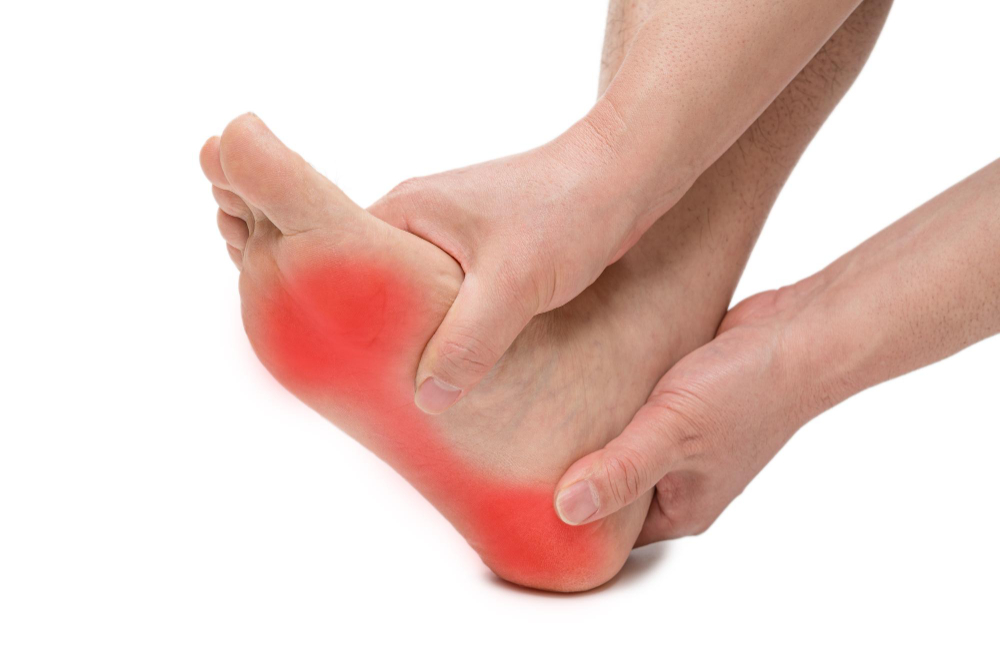
    Plantar fasciitis often causes pain in the bottom of your heel. Usually, the pain is worse when you take your first steps in the morning. However, it can also get worse after standing for a long time or after exercise. Other symptoms may include:Stabbing pain in the heelPain that gets better with movement but returns after restSwelling or tenderness in the heel areaStiffness in the foot, especially after sitting

    Because symptoms can vary, it is important to pay attention to any changes in your feet.

    Causes and Risk Factors

    Many things can cause plantar fasciitis. Most often, it happens when too much pressure is put on your feet. As a result, the plantar fascia can tear or stretch. Common causes and risk factors include:Standing or walking for long periodsWearing shoes with poor supportBeing overweight or obeseHaving flat feet or high archesDoing activities that put stress on the heel, like runningAge (more common in people aged 40–60)

    Because these factors increase your risk, it is helpful to know how to protect your feet.

    Diagnosis Methods

    Doctors use several ways to diagnose plantar fasciitis. First, they ask about your symptoms and check your foot. They may press on your heel to see where it hurts. Sometimes, doctors order tests to rule out other problems. These tests may include:X-rays to check for bone spurs or fracturesUltrasound to look at the plantar fasciaMRI if the pain does not improve or another issue is suspected

    Because early diagnosis can help, see a doctor if you have ongoing heel pain.

    Treatment Options

    There are many ways to treat plantar fasciitis. Most people get better with simple steps. However, some may need medical care. Treatment options include:

    Home Care and Remedies

    Rest your feet and avoid activities that cause painApply ice to the heel for 15–20 minutes, several times a dayUse over-the-counter pain relievers, like ibuprofenStretch your foot and calf muscles dailyWear shoes with good arch support and cushioningTry heel pads or orthotic inserts for extra support

    Because home care works for many, you may notice improvement in a few weeks.

    Medical Treatments

    Physical therapy to stretch and strengthen the footNight splints to keep the foot in a stretched positionCorticosteroid injections to reduce inflammationShock wave therapy for stubborn casesSurgery (rarely needed) if other treatments fail

    Since each person is different, your doctor will suggest the best treatment for you.

    Prevention Tips

    Preventing plantar fasciitis is possible with a few simple steps. For example, you can:Wear shoes that fit well and support your archesReplace worn-out shoes regularlyWarm up before exercise and stretch your feetMaintain a healthy weight to reduce pressure on your feetAvoid walking barefoot on hard surfaces

    Because prevention is easier than treatment, these habits can help keep your feet healthy.

    Lifestyle and Self-Care Guidance

    Living with plantar fasciitis can be challenging. However, small changes can make a big difference. Try these self-care tips:Take breaks if you stand or walk for long periodsUse supportive footwear at home and outsideDo gentle foot stretches every dayListen to your body and rest when neededConsider seeing a podiatrist for custom orthotics

    Because self-care is important, these steps can help you manage pain and prevent future problems.

    Conclusion

    Plantar fasciitis is a common cause of heel pain. With the right care, most people recover fully. However, if your pain does not improve, consult an orthopedic specialist at Hyderabad Ortho and Spine for personalized advice on plantar fasciitis. Early treatment and good foot care can help you stay active and pain-free.

  • Understanding Sciatica: Symptoms, Causes, Diagnosis, and Treatment

    Understanding Sciatica: Symptoms, Causes, Diagnosis, and Treatment

    What is Sciatica?

    Sciatica is a condition that causes pain along the path of the sciatic nerve. This nerve runs from your lower back, through your hips, and down each leg. Often, sciatica pain starts in the lower back and travels down one leg. For many people, the pain can be mild. However, sometimes it can feel sharp or even burning. Because sciatica affects daily life, it is important to understand its symptoms and treatment options.

    Common Symptoms of Sciatica

    People with sciatica often notice pain that starts in the lower back and moves down the leg. Sometimes, the pain can be sudden. Other times, it may build up slowly. In addition, you might feel:Shooting pain in one legNumbness or tingling in the leg or footWeakness in the affected legPain that gets worse when sitting or standing for long periodsDifficulty moving the leg or foot

    Although these symptoms are common, they can vary from person to person. If you notice any of these signs, it may be time to seek help.

    Causes of Sciatica

    Sciatica usually happens when something presses on the sciatic nerve. Most often, a herniated disc in the spine is the cause. However, other reasons include:Bone spurs on the spineSpinal stenosis (narrowing of the spine)Injury to the lower backMuscle spasms in the back or buttocks

    Because these causes can lead to nerve pain, it is important to find out what is behind your symptoms. Sometimes, sciatica can also be linked to aging or heavy lifting.

    How Sciatica is Diagnosed

    Doctors use several steps to diagnose sciatica. First, they ask about your symptoms and medical history. Next, they perform a physical exam. During the exam, your doctor may check your strength, reflexes, and how you move. Sometimes, imaging tests are needed. These may include:X-rays to look at the bonesMRI or CT scans to see soft tissues and nerves

    With these tests, doctors can find the cause of your sciatica and suggest the best treatment. Early diagnosis can help prevent long-term problems.

    Treatment Options for Sciatica

    There are many ways to find sciatica pain relief. Most people get better with simple treatments. For example, doctors often suggest:Rest and gentle movementOver-the-counter pain medicine, like ibuprofenPhysical therapy exercisesHot or cold packs on the lower back

    In some cases, doctors may recommend stronger treatments. These can include:Prescription medicinesSteroid injections to reduce swellingSurgery, but only if other treatments do not work

    Because each person is different, your doctor will help you choose the best sciatica treatment options for your needs.

    Lifestyle Tips and Prevention

    Although sciatica can be painful, there are steps you can take to prevent it. For instance, you can:Exercise regularly to keep your back strongUse good posture when sitting or standingLift objects with your legs, not your backMaintain a healthy weight

    Additionally, stretching and staying active can help lower your risk. If you have had sciatica before, these tips may help prevent it from coming back.

    When to See a Doctor

    Sometimes, sciatica pain goes away on its own. However, you should see a doctor if:The pain is severe or lasts longer than a weekYou have trouble controlling your bladder or bowelsYou feel weakness or numbness in your leg

    Because these signs can mean a serious problem, do not wait to get help. Early treatment can prevent lasting damage.

    In summary, sciatica can affect your daily life, but many people find relief with the right care. Consult a specialist at Hyderabad Ortho and Spine for personalized guidance on managing sciatica.

  • Post-Traumatic Arthritis After Fracture: Symptoms, Causes, and Treatment

    Post-Traumatic Arthritis After Fracture: Symptoms, Causes, and Treatment

    What is Post-Traumatic Arthritis After Fracture?

    Post-traumatic arthritis after fracture is a type of joint damage that happens after a bone injury. When a bone breaks near a joint, the smooth surface of the joint can get hurt. As a result, the joint may not move as well as before. Over time, this can lead to pain and swelling. Many people notice joint pain after fracture, which may signal this condition. According to the CDC, arthritis after bone injury is a common problem, especially in adults who have had serious injuries.

    Common Symptoms

    Symptoms of post-traumatic arthritis after fracture can develop slowly. However, some people notice them soon after the injury. Common signs include:Pain in the affected joint, especially during movementSwelling around the jointStiffness, making it hard to move the jointFeeling of grinding or catching inside the jointWeakness or loss of function in the joint

    Sometimes, these symptoms get worse with activity. But rest may help ease the pain for a short time.

    Causes and Risk Factors

    After a fracture, the joint surface can become uneven. This unevenness can cause extra wear and tear. Over time, the cartilage that cushions the joint may break down. As a result, bones can rub together, leading to arthritis. Several factors can increase the risk of developing post-traumatic arthritis after fracture:Severe or complex fractures near a jointPoor healing or misalignment of the boneRepeated injuries to the same jointOlder age, as healing slows downObesity, which puts extra stress on joints

    Even with proper treatment, some people may still develop arthritis after bone injury.

    Diagnosis Methods

    Doctors use several methods to diagnose post-traumatic arthritis after fracture. First, they will ask about your symptoms and medical history. Next, they will examine the joint for swelling, tenderness, and movement. To get a clearer picture, doctors may use:X-rays: These show bone changes and joint space narrowing.MRI scans: These provide detailed images of cartilage and soft tissues.CT scans: These help see complex bone injuries.

    Sometimes, doctors may order blood tests to rule out other types of arthritis. Early diagnosis can help guide the best treatment plan.

    Treatment Options

    Treatment for post-traumatic arthritis after fracture aims to reduce pain and improve joint function. Options include medical care, surgery, and lifestyle changes. Your doctor will suggest the best plan based on your needs.

    Medical Treatments

    Pain relievers like acetaminophen or non-steroidal anti-inflammatory drugs (NSAIDs)Physical therapy to strengthen muscles and improve movementJoint injections, such as corticosteroids, to reduce swelling

    Surgical Treatments

    Arthroscopy to clean the jointRealignment of bones (osteotomy)Joint replacement for severe cases

    Lifestyle Changes

    Maintaining a healthy weight to reduce joint stressUsing supportive devices like braces or canesStaying active with low-impact exercises

    For many, a mix of these treatments brings the best results. Always follow your orthopedic arthritis care team’s advice.

    Prevention Tips

    While not all cases can be prevented, you can lower your risk of post-traumatic arthritis after fracture by:Getting prompt and proper treatment for bone injuriesFollowing your doctor’s instructions during recoveryDoing physical therapy as recommendedProtecting joints during sports or heavy workMaintaining a healthy weight

    Early care and good habits can make a big difference in joint health.

    Living with Post-Traumatic Arthritis: Lifestyle Guidance

    Living with arthritis after bone injury can be challenging. However, many people manage their symptoms well with the right steps. Here are some helpful tips:Stay active with gentle exercises like walking or swimmingUse heat or cold packs to ease pain and swellingEat a balanced diet rich in fruits, vegetables, and lean proteinsRest the joint when needed, but avoid long periods of inactivityJoin support groups or talk to others with similar experiences

    With support and care, you can enjoy a good quality of life. But always talk to your doctor before starting new activities or treatments.

    Consult an orthopedic specialist at Hyderabad Ortho and Spine for personalized advice on post-traumatic arthritis after fracture.