
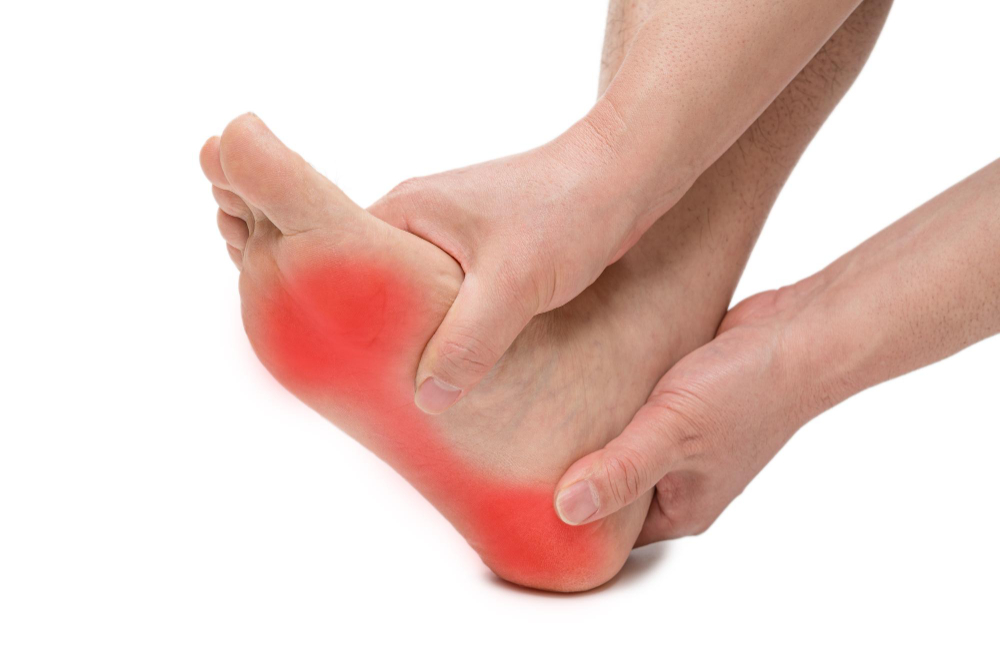
What is Plantar Fasciitis?
Plantar fasciitis is a common cause of heel pain. It happens when the thick band of tissue on the bottom of your foot, called the plantar fascia, becomes inflamed. This tissue connects your heel bone to your toes. When it gets irritated, you may feel sharp pain, especially in the morning. According to the CDC, plantar fasciitis affects about 1 in 10 people at some point in their lives. Because it is so common, many people look for heel pain relief and plantar fasciitis home remedies.
Common Symptoms
Plantar fasciitis often causes pain in the bottom of your heel. Usually, the pain is worse when you take your first steps in the morning. However, it can also get worse after standing for a long time or after exercise. Other symptoms may include:Stabbing pain in the heelPain that gets better with movement but returns after restSwelling or tenderness in the heel areaStiffness in the foot, especially after sitting
Because symptoms can vary, it is important to pay attention to any changes in your feet.
Causes and Risk Factors
Many things can cause plantar fasciitis. Most often, it happens when too much pressure is put on your feet. As a result, the plantar fascia can tear or stretch. Common causes and risk factors include:Standing or walking for long periodsWearing shoes with poor supportBeing overweight or obeseHaving flat feet or high archesDoing activities that put stress on the heel, like runningAge (more common in people aged 40–60)
Because these factors increase your risk, it is helpful to know how to protect your feet.
Diagnosis Methods
Doctors use several ways to diagnose plantar fasciitis. First, they ask about your symptoms and check your foot. They may press on your heel to see where it hurts. Sometimes, doctors order tests to rule out other problems. These tests may include:X-rays to check for bone spurs or fracturesUltrasound to look at the plantar fasciaMRI if the pain does not improve or another issue is suspected
Because early diagnosis can help, see a doctor if you have ongoing heel pain.
Treatment Options
There are many ways to treat plantar fasciitis. Most people get better with simple steps. However, some may need medical care. Treatment options include:
Home Care and Remedies
Rest your feet and avoid activities that cause painApply ice to the heel for 15–20 minutes, several times a dayUse over-the-counter pain relievers, like ibuprofenStretch your foot and calf muscles dailyWear shoes with good arch support and cushioningTry heel pads or orthotic inserts for extra support
Because home care works for many, you may notice improvement in a few weeks.
Medical Treatments
Physical therapy to stretch and strengthen the footNight splints to keep the foot in a stretched positionCorticosteroid injections to reduce inflammationShock wave therapy for stubborn casesSurgery (rarely needed) if other treatments fail
Since each person is different, your doctor will suggest the best treatment for you.
Prevention Tips
Preventing plantar fasciitis is possible with a few simple steps. For example, you can:Wear shoes that fit well and support your archesReplace worn-out shoes regularlyWarm up before exercise and stretch your feetMaintain a healthy weight to reduce pressure on your feetAvoid walking barefoot on hard surfaces
Because prevention is easier than treatment, these habits can help keep your feet healthy.
Lifestyle and Self-Care Guidance
Living with plantar fasciitis can be challenging. However, small changes can make a big difference. Try these self-care tips:Take breaks if you stand or walk for long periodsUse supportive footwear at home and outsideDo gentle foot stretches every dayListen to your body and rest when neededConsider seeing a podiatrist for custom orthotics
Because self-care is important, these steps can help you manage pain and prevent future problems.
Conclusion
Plantar fasciitis is a common cause of heel pain. With the right care, most people recover fully. However, if your pain does not improve, consult an orthopedic specialist at Hyderabad Ortho and Spine for personalized advice on plantar fasciitis. Early treatment and good foot care can help you stay active and pain-free.