
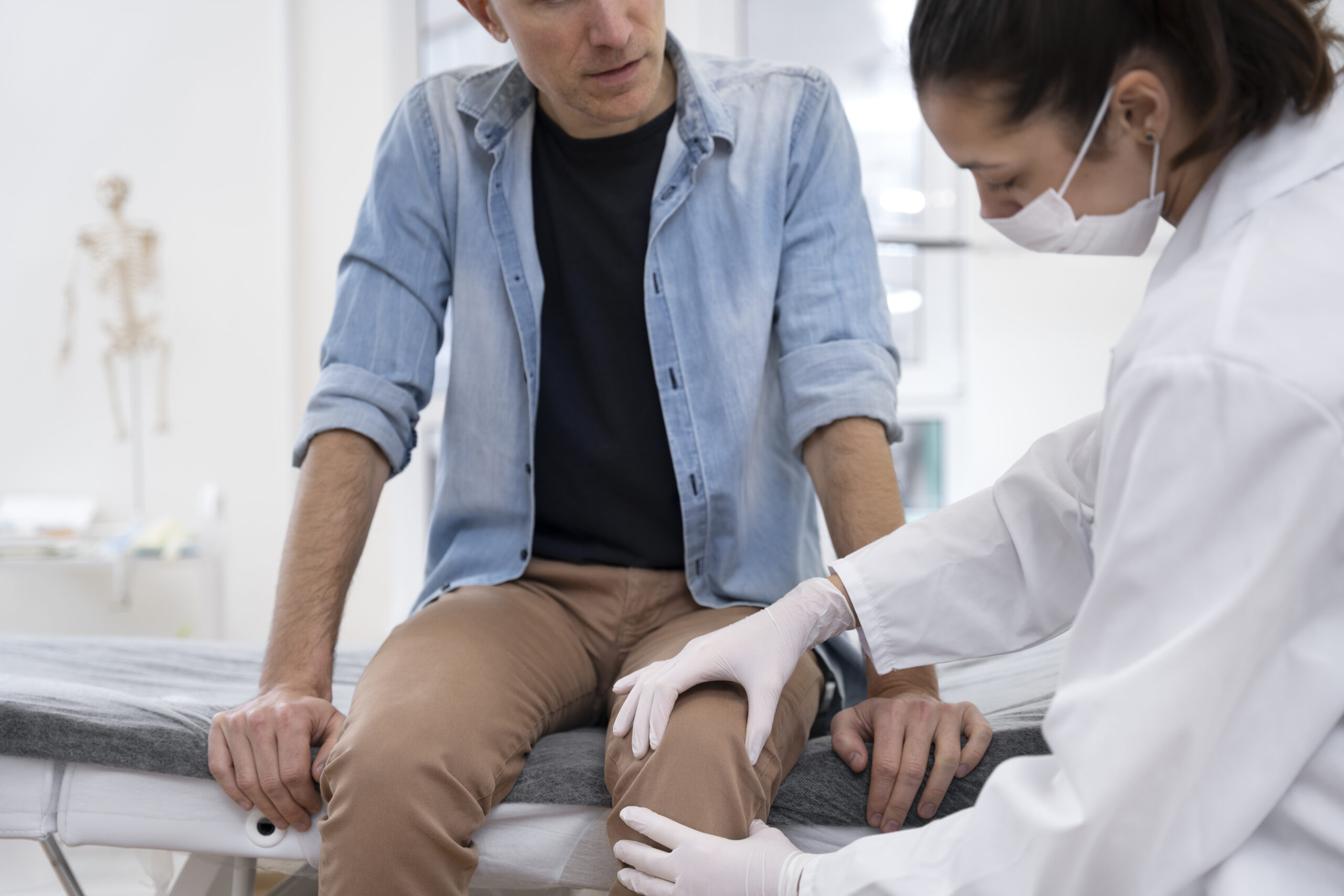
What is the Anterior Cruciate Ligament (ACL)?
The Anterior Cruciate Ligament (ACL) is a strong band of tissue inside your knee. It connects the thigh bone to the shin bone. Because it helps keep your knee stable, the ACL is important for walking, running, and turning. Many people injure their ACL during sports or sudden movements. For some, Anterior Cruciate Ligament (ACL) Surgery becomes necessary to restore knee function.
Symptoms of ACL Injuries
After an ACL injury, you may notice several signs. Often, people hear or feel a “pop” in the knee. Next, the knee may swell quickly. You might also feel pain or your knee may give way when you try to stand. Common symptoms include:Sudden swelling in the kneePain when moving or walkingFeeling of instability or “giving out”Loss of full range of motion
Because these symptoms can affect daily life, it is important to seek medical help if you suspect an ACL tear.
Diagnosis of ACL Tears
Doctors use several steps to diagnose an ACL tear. First, they ask about your injury and symptoms. Then, they examine your knee for swelling, tenderness, and movement. Often, doctors use special tests to check for instability. In addition, imaging tests like MRI scans help confirm the diagnosis. These tests show the extent of the injury and help plan the best ACL tear treatment.
When is ACL Surgery Needed?
Not everyone with an ACL tear needs surgery. However, surgery is often recommended if:You are young and activeYour knee feels unstableYou want to return to sports or physical workOther knee structures are also injured
Sometimes, older adults or less active people can manage with physical therapy alone. But if your knee keeps giving way, orthopedic knee surgery may be the best option.
The ACL Surgery Procedure
During Anterior Cruciate Ligament (ACL) Surgery, the surgeon replaces the torn ligament. Usually, they use a piece of tendon from your own body or a donor. The surgery is done using small cuts and a camera, called arthroscopy. This method helps reduce pain and speeds up healing. The main steps include:Removing the damaged ACLPreparing the new tendon (graft)Placing the graft in the kneeSecuring the graft with screws or other devices
Because the surgery is minimally invasive, most people go home the same day.
Recovery and Rehabilitation After ACL Surgery
Recovery after ACL reconstruction takes time and effort. Right after surgery, you may need crutches and a knee brace. Physical therapy starts soon to help you regain strength and movement. Typically, the ACL reconstruction recovery process includes:Rest and ice to reduce swellingGentle exercises to restore motionStrength training for leg musclesGradual return to walking and daily activities
Most people return to sports or full activity in 6 to 12 months. However, following your doctor’s advice is key for a safe recovery.
Risks and Complications of ACL Surgery
Like any surgery, ACL surgery has some risks. Although most people recover well, possible complications include:Infection at the surgery siteBlood clots in the legStiffness or loss of motionGraft failure or re-injuryPain around the knee
Because these risks are rare, most people benefit from surgery. Still, talk to your doctor about ACL surgery risks before deciding.
Tips for Prevention of ACL Injuries
While not all ACL injuries can be prevented, you can lower your risk. For example, you can:Warm up before exerciseStrengthen leg and core musclesPractice safe landing and cutting techniquesWear proper shoes for your sportAvoid sudden stops or turns
Because prevention is better than cure, these steps can help protect your knees.
Frequently Asked Questions (FAQs)
How long does ACL surgery take? Most ACL surgeries last about 1 to 2 hours.Is ACL surgery painful? Some pain is normal after surgery, but medicine and therapy help manage it.Can you walk after ACL surgery? Yes, but you may need crutches for a few weeks.What is the success rate of ACL surgery? According to orthopedic journals, over 90% of people return to normal activities.How soon can I return to sports? Most people return to sports in 6 to 12 months, depending on recovery.
For more details, visit trusted sources like the CDC or the American Academy of Orthopaedic Surgeons.
Consult an orthopedic specialist at Hyderabad ortho and spine for personalized advice on ACL injuries and surgery.